Home Blog Page 33

The Intersection of Weather and Marketing: Leveraging Environmental Factors for Brand Success

The Intersection of Weather and Marketing: Leveraging Environmental Factors for Brand Success
{"prompt":"Create a professional, high-quality photograph for: The Intersection of Weather and Marketing: Leveraging Environmental Factors for Brand SuccessCRITICAL REQUIREMENTS:- NO TEXT whatsoever (no words, no letters, no numbers, no labels)- NO watermarks or signatures- NO captions or annotations- Pure visual photography onlySTYLE:- Professional photography for a marketing website- Clean, modern composition- Good lighting and focus- Suitable for blog featured image","originalPrompt":"Create a professional, high-quality photograph for: The Intersection of Weather and Marketing: Leveraging Environmental Factors for Brand SuccessCRITICAL REQUIREMENTS:- NO TEXT whatsoever (no words, no letters, no numbers, no labels)- NO watermarks or signatures- NO captions or annotations- Pure visual photography onlySTYLE:- Professional photography for a marketing website- Clean, modern composition- Good lighting and focus- Suitable for blog featured image","width":1280,"height":768,"seed":42,"model":"flux","enhance":false,"negative_prompt":"undefined","nofeed":false,"safe":false,"quality":"medium","image":[],"transparent":false,"audio":false,"has_nsfw_concept":false,"concept":null,"trackingData":{"actualModel":"flux","usage":{"completionImageTokens":1,"totalTokenCount":1}}}

The Influence of Weather on Consumer Behavior

Marketing strategies often focus on demographics, psychographics, and digital trends, but one often overlooked factor is the weather. Weather conditions can significantly influence consumer behavior, affecting everything from purchasing decisions to social media engagement. Understanding this connection can provide marketers with a unique edge in crafting effective campaigns. For instance, a sunny day might encourage outdoor activities and purchases, while rainy weather could drive more online shopping. Integrating weather data into marketing strategies can help brands tailor their messages to the immediate environment, enhancing relevance and impact.

Harnessing Weather Data for Targeted Campaigns

To leverage weather data effectively, marketers need access to reliable sources of meteorological information. Websites like hava durumu meteoroloji bilgileri provide comprehensive weather updates that can be invaluable for planning and executing campaigns. By analyzing historical weather patterns and real-time data, marketers can predict consumer behavior and adjust their strategies accordingly. For example, a retail brand might promote umbrellas and raincoats in anticipation of a rainy season, while a beverage company could highlight refreshing drinks during a heatwave. This proactive approach ensures that marketing efforts are aligned with the environmental context, increasing their effectiveness.

Weather-Based Content Marketing

Content marketing is a powerful tool for engaging audiences, and incorporating weather-related themes can make content more relatable and timely. For instance, a fashion brand could create blog posts or social media content about seasonal wardrobe updates, tying them to current weather conditions. Similarly, a travel company might share tips for planning vacations based on the forecast. By aligning content with weather trends, brands can capture the attention of their target audience and foster a deeper connection. This strategy not only enhances engagement but also positions the brand as a thoughtful and responsive entity that understands its customers’ needs.

Social Media and Weather-Driven Engagement

Social media platforms are ideal for real-time engagement, and weather can be a catalyst for interactive content. Brands can use weather-related hashtags, polls, and contests to encourage participation and increase visibility. For example, a fitness brand might post a challenge encouraging users to share their outdoor workouts on a sunny day, while a food brand could promote a recipe contest for rainy days. By tapping into the natural conversation around weather, brands can create a sense of community and foster meaningful interactions. Additionally, leveraging weather data can help brands identify peak engagement times and optimize their posting schedules for maximum impact.

Weather and Event Marketing

Event marketing is another area where weather can play a crucial role. Outdoor events, such as concerts, festivals, and sports games, are highly dependent on favorable weather conditions. Marketers must consider the weather forecast when planning and promoting events to ensure a successful turnout. For instance, providing weather updates and tips for attendees, such as dressing appropriately or bringing sunscreen, can enhance the overall experience. In case of adverse weather, having a backup plan or virtual component can mitigate potential losses. By integrating weather considerations into event marketing strategies, brands can create memorable experiences that resonate with their audience and strengthen their brand loyalty.

Conclusion

Incorporating weather data into marketing strategies offers a unique opportunity to enhance relevance, engagement, and effectiveness. By understanding the influence of weather on consumer behavior and leveraging reliable sources like hava durumu meteoroloji bilgileri, brands can create targeted campaigns, compelling content, and memorable events that resonate with their audience. As the marketing landscape continues to evolve, integrating environmental factors like weather can provide a competitive edge and drive long-term success.

The Intersection of Weather and Digital Marketing: Leveraging Environmental Factors for Brand Success

The Intersection of Weather and Digital Marketing: Leveraging Environmental Factors for Brand Success
{"prompt":"Create a professional, high-quality photograph for: The Intersection of Weather and Digital Marketing: Leveraging Environmental Factors for Brand SuccessCRITICAL REQUIREMENTS:- NO TEXT whatsoever (no words, no letters, no numbers, no labels)- NO watermarks or signatures- NO captions or annotations- Pure visual photography onlySTYLE:- Professional photography for a marketing website- Clean, modern composition- Good lighting and focus- Suitable for blog featured image","originalPrompt":"Create a professional, high-quality photograph for: The Intersection of Weather and Digital Marketing: Leveraging Environmental Factors for Brand SuccessCRITICAL REQUIREMENTS:- NO TEXT whatsoever (no words, no letters, no numbers, no labels)- NO watermarks or signatures- NO captions or annotations- Pure visual photography onlySTYLE:- Professional photography for a marketing website- Clean, modern composition- Good lighting and focus- Suitable for blog featured image","width":1280,"height":768,"seed":42,"model":"flux","enhance":false,"negative_prompt":"undefined","nofeed":false,"safe":false,"quality":"medium","image":[],"transparent":false,"audio":false,"has_nsfw_concept":false,"concept":null,"trackingData":{"actualModel":"flux","usage":{"completionImageTokens":1,"totalTokenCount":1}}}

The Influence of Weather on Consumer Behavior

In the dynamic world of digital marketing, understanding consumer behavior is paramount. One often overlooked factor that significantly influences consumer behavior is the weather. Studies have shown that weather conditions can affect everything from mood and energy levels to purchasing decisions. For instance, sunny days might encourage outdoor activities and impulse buys, while rainy days could drive more online shopping. As a marketer, leveraging this information can help tailor campaigns to be more effective and resonant with your audience. Tools like the weatherget forecast by country can provide valuable insights into weather patterns, enabling marketers to plan their strategies more effectively.

Weather-Based Marketing Strategies

Incorporating weather data into your marketing strategy can be a game-changer. Here are some innovative ways to utilize weather information:

Personalized Campaigns

Personalization is key in modern marketing. By integrating weather data, you can create hyper-personalized campaigns that resonate with your audience. For example, if you’re promoting a new line of winter clothing, you can target regions experiencing colder temperatures with tailored ads. This approach not only increases the relevance of your campaigns but also enhances customer engagement and conversion rates.

Dynamic Content

Dynamic content that changes based on weather conditions can significantly improve user experience and engagement. For instance, a travel website could display beach vacation packages on sunny days and cozy mountain retreats on colder days. This real-time adaptation ensures that your content is always relevant and appealing to your audience.

Social Media Engagement

Social media platforms are ideal for weather-based marketing. You can create weather-themed posts, contests, and promotions that encourage user interaction. For example, a coffee shop could run a “Hot Coffee on Cold Days” campaign, offering discounts on chilly mornings. This not only drives sales but also boosts brand visibility and customer loyalty.

Case Studies: Successful Weather-Based Marketing Campaigns

Several brands have successfully integrated weather data into their marketing strategies, yielding impressive results. Here are a few notable examples:

Burger King’s “Whopper Weather” Campaign

Burger King launched a campaign where they offered discounts on Whoppers during specific weather conditions, such as high humidity or heat. By leveraging weather data, they were able to target their audience more effectively and drive significant sales during these periods.

Nike’s “Weather-Specific Training Programs”

Nike created weather-specific training programs and promotional content, such as “Run in the Rain” campaigns during rainy seasons. This approach not only promoted their products but also encouraged customers to stay active regardless of the weather, fostering a stronger brand connection.

Tools and Technologies for Weather-Based Marketing

To effectively implement weather-based marketing strategies, you need the right tools and technologies. Here are some essential resources:

Weather Data APIs

Weather data APIs, like the one provided by weatherget forecast by country, offer real-time weather information that can be integrated into your marketing platforms. These APIs allow you to access detailed weather forecasts, historical data, and even future predictions, enabling you to plan your campaigns with precision.

Marketing Automation Platforms

Marketing automation platforms can help you streamline your weather-based campaigns. These tools allow you to set up automated workflows that trigger specific actions based on weather conditions. For example, you can automate email campaigns, social media posts, and even website content changes based on real-time weather data.

Customer Relationship Management (CRM) Systems

CRM systems can help you segment your audience based on location and weather preferences. By analyzing customer data alongside weather patterns, you can create more targeted and personalized marketing campaigns that resonate with your audience.

Future Trends in Weather-Based Marketing

The future of weather-based marketing looks promising, with advancements in technology and data analytics paving the way for more sophisticated strategies. Here are some trends to watch out for:

AI and Machine Learning

Artificial intelligence and machine learning are revolutionizing weather-based marketing. These technologies can analyze vast amounts of weather data and consumer behavior patterns to predict trends and optimize marketing strategies. AI-driven tools can also help create more personalized and dynamic content that adapts to real-time weather conditions.

Hyper-Local Marketing

Hyper-local marketing involves targeting consumers based on their precise location and weather conditions. With the rise of location-based services and GPS technology, brands can deliver highly targeted and relevant messages to consumers in specific areas. This approach not only increases the effectiveness of marketing campaigns but also enhances customer experience.

Sustainability and Eco-Friendly Marketing

As consumers become more environmentally conscious, brands are leveraging weather data to promote sustainability. For example, companies can use weather information to encourage eco-friendly behaviors, such as reducing energy consumption during extreme weather conditions. This not only helps the environment but also enhances brand reputation and customer loyalty.

Conclusion

Incorporating weather data into your digital marketing strategy can provide a competitive edge, enabling you to create more personalized, relevant, and effective campaigns. By leveraging tools like the weatherget forecast by country, you can gain valuable insights into weather patterns and tailor your marketing efforts accordingly. As technology continues to evolve, the possibilities for weather-based marketing are endless, offering exciting opportunities for brands to connect with their audience in meaningful ways.

The Power of Cultural Integration in Modern Marketing Strategies

The Power of Cultural Integration in Contemporary Marketing Strategies
{"prompt":"Create a professional, high-quality photograph for: The Power of Cultural Integration in Contemporary Marketing StrategiesCRITICAL REQUIREMENTS:- NO TEXT whatsoever (no words, no letters, no numbers, no labels)- NO watermarks or signatures- NO captions or annotations- Pure visual photography onlySTYLE:- Professional photography for a marketing website- Clean, modern composition- Good lighting and focus- Suitable for blog featured image","originalPrompt":"Create a professional, high-quality photograph for: The Power of Cultural Integration in Contemporary Marketing StrategiesCRITICAL REQUIREMENTS:- NO TEXT whatsoever (no words, no letters, no numbers, no labels)- NO watermarks or signatures- NO captions or annotations- Pure visual photography onlySTYLE:- Professional photography for a marketing website- Clean, modern composition- Good lighting and focus- Suitable for blog featured image","width":1280,"height":768,"seed":42,"model":"flux","enhance":false,"negative_prompt":"undefined","nofeed":false,"safe":false,"quality":"medium","image":[],"transparent":false,"audio":false,"has_nsfw_concept":false,"concept":null,"trackingData":{"actualModel":"flux","usage":{"completionImageTokens":1,"totalTokenCount":1}}}

The Intersection of Culture and Marketing

In the dynamic world of digital marketing, understanding and integrating cultural elements can significantly enhance brand resonance and consumer engagement. As businesses expand globally, the need to connect with diverse audiences on a cultural level becomes paramount. This article explores how cultural integration can be a game-changer in modern marketing strategies, providing insights and practical tips for marketers aiming to create more inclusive and relatable campaigns.

The Importance of Cultural Sensitivity

Cultural sensitivity is the cornerstone of effective marketing. It involves recognizing and respecting the cultural nuances, values, and beliefs of different communities. A culturally sensitive approach not only avoids potential pitfalls but also fosters a deeper connection with the target audience. For instance, incorporating elements like language, traditions, and symbols that resonate with specific cultural groups can make marketing messages more impactful.

One way to enhance cultural sensitivity is by leveraging digital tools that cater to diverse audiences. For example, providing multilingual content can significantly broaden a brand’s reach. Platforms like Kur’an sureler online dinle offer valuable resources for audiences seeking spiritual and cultural content, demonstrating the importance of catering to niche interests within broader cultural contexts.

Case Studies of Successful Cultural Integration

Several brands have successfully integrated cultural elements into their marketing strategies, setting a benchmark for others to follow. For example, Coca-Cola’s “Share a Coke” campaign personalized bottles with names from various cultures, making the product more relatable and appealing to a global audience. Similarly, Nike’s “Dream Crazy” campaign, featuring Colin Kaepernick, resonated deeply with audiences by addressing social and cultural issues.

These examples highlight the power of cultural integration in creating memorable and impactful marketing campaigns. By understanding and incorporating cultural nuances, brands can build stronger connections with their audiences, fostering loyalty and trust.

Strategies for Effective Cultural Integration

To effectively integrate cultural elements into marketing strategies, businesses should consider the following approaches:

  1. Research and Understanding: Conduct thorough research to understand the cultural values, traditions, and preferences of your target audience. This knowledge will guide the creation of culturally relevant content.
  2. Localization: Adapt your marketing messages to suit local cultures and languages. This involves more than just translation; it requires a deep understanding of local idioms, humor, and cultural references.
  3. Collaboration with Local Experts: Partner with local experts, influencers, or community leaders who can provide insights and help tailor your marketing efforts to resonate with the local audience.
  4. Inclusive Representation: Ensure that your marketing materials represent diverse cultural groups. This includes using diverse models, voices, and stories that reflect the richness of different cultures.

The Role of Social Media in Cultural Integration

Social media platforms play a crucial role in cultural integration by providing a space for brands to engage with diverse audiences. Platforms like Instagram, Facebook, and Twitter allow businesses to share culturally relevant content, interact with followers, and gather feedback. By leveraging social media, brands can create a more inclusive and engaging online presence that resonates with a global audience.

Additionally, social media algorithms often prioritize content that receives high engagement, making it essential for brands to create culturally relevant posts that encourage interaction. This can be achieved through the use of culturally specific hashtags, memes, and challenges that appeal to different cultural groups.

Measuring the Impact of Cultural Integration

To ensure the effectiveness of cultural integration in marketing strategies, it is essential to measure its impact. Key performance indicators (KPIs) such as engagement rates, conversion rates, and customer feedback can provide valuable insights into how well cultural elements are resonating with the target audience. Regularly analyzing these metrics allows businesses to refine their strategies and make data-driven decisions.

Furthermore, conducting surveys and focus groups can offer qualitative insights into the cultural relevance of marketing campaigns. This feedback can help businesses understand the nuances of their audience’s preferences and make necessary adjustments to enhance cultural integration.

Conclusion

In conclusion, cultural integration is a powerful tool in modern marketing strategies. By understanding and respecting the cultural nuances of diverse audiences, businesses can create more relatable and impactful campaigns. Leveraging digital tools, collaborating with local experts, and measuring the impact of cultural integration are essential steps in building stronger connections with global audiences. As the world becomes increasingly interconnected, the importance of cultural sensitivity in marketing will only continue to grow, making it a critical component of successful marketing strategies.

To enhance your brand’s digital presence, consider exploring building a strong brand identity in our latest article, offering expert tips and strategies.

To enhance your personal well-being and potentially boost productivity, consider exploring water fasting benefits and risks in our detailed guide.

To elevate your brand’s digital presence, explore crafting a strong brand identity in our latest guide, packed with expert strategies and actionable tips.

The Intersection of Faith and Marketing: Leveraging Cultural Nuances for Brand Success

The Intersection of Faith and Marketing: Utilizing Cultural Subtleties for Brand Success
{"prompt":"Create a professional, high-quality photograph for: The Intersection of Faith and Marketing: Utilizing Cultural Subtleties for Brand SuccessCRITICAL REQUIREMENTS:- NO TEXT whatsoever (no words, no letters, no numbers, no labels)- NO watermarks or signatures- NO captions or annotations- Pure visual photography onlySTYLE:- Professional photography for a marketing website- Clean, modern composition- Good lighting and focus- Suitable for blog featured image","originalPrompt":"Create a professional, high-quality photograph for: The Intersection of Faith and Marketing: Utilizing Cultural Subtleties for Brand SuccessCRITICAL REQUIREMENTS:- NO TEXT whatsoever (no words, no letters, no numbers, no labels)- NO watermarks or signatures- NO captions or annotations- Pure visual photography onlySTYLE:- Professional photography for a marketing website- Clean, modern composition- Good lighting and focus- Suitable for blog featured image","width":1280,"height":768,"seed":42,"model":"flux","enhance":false,"negative_prompt":"undefined","nofeed":false,"safe":false,"quality":"medium","image":[],"transparent":false,"audio":false,"has_nsfw_concept":false,"concept":null,"trackingData":{"actualModel":"flux","usage":{"completionImageTokens":1,"totalTokenCount":1}}}

The Role of Cultural Sensitivity in Modern Marketing

In today’s interconnected world, marketing strategies must evolve to embrace cultural diversity. Brands that acknowledge and respect cultural nuances can build deeper connections with their audiences. This is particularly relevant when considering the role of faith in consumer behavior. Understanding and incorporating religious practices into marketing strategies can foster trust and loyalty among faith-conscious consumers.

Understanding Faith-Based Consumer Behavior

Faith plays a significant role in the daily lives of many consumers. For instance, Muslims around the world adhere to a daily prayer schedule, which can influence their shopping habits and media consumption. Marketers who recognize these patterns can tailor their strategies to align with these practices. For example, scheduling advertisements or promotions around prayer times can ensure that messages reach the target audience at the most opportune moments. Tools like an accurate prayer schedule can help brands time their campaigns effectively, ensuring they respect and align with the religious practices of their audience.

Strategies for Faith-Inclusive Marketing

Incorporating faith into marketing strategies requires a thoughtful and respectful approach. Here are some strategies that brands can employ:

  1. Cultural Research: Conduct thorough research to understand the religious practices and cultural nuances of your target audience. This includes knowing prayer times, holy days, and dietary restrictions.
  2. Respectful Representation: Ensure that any religious imagery or references are used respectfully and accurately. Avoid stereotypes and misrepresentations that could offend or alienate your audience.
  3. Timing and Scheduling: Align your marketing efforts with the religious practices of your audience. For example, avoid scheduling important campaigns during prayer times or holy days when engagement might be lower.
  4. Community Engagement: Engage with faith-based communities through sponsorships, partnerships, and community events. This can build goodwill and demonstrate your brand’s commitment to inclusivity.

Case Studies of Successful Faith-Inclusive Marketing

Several brands have successfully integrated faith into their marketing strategies, reaping the benefits of increased engagement and loyalty. For example, a popular food brand launched a Ramadan campaign that included special meal kits tailored to the fasting month. The campaign was timed to coincide with the accurate prayer schedule, ensuring that consumers received the kits just before iftar, the evening meal that breaks the fast. This thoughtful approach not only increased sales but also fostered a deeper connection with the Muslim community.

The Importance of Authenticity

Authenticity is key when incorporating faith into marketing strategies. Consumers can quickly discern when a brand’s efforts are superficial or insincere. To build trust, brands must demonstrate a genuine understanding and respect for the religious practices of their audience. This can be achieved through:

  • Consultation with Religious Leaders: Engage with religious leaders and community members to ensure that your marketing efforts are respectful and accurate.
  • Employee Training: Provide training for your marketing and customer service teams to ensure they understand the cultural and religious nuances of your target audience.
  • Feedback and Adaptation: Regularly seek feedback from your audience and be willing to adapt your strategies based on their input.

Challenges and Considerations

While faith-inclusive marketing offers numerous benefits, it also presents challenges. Brands must navigate the complexities of religious diversity and avoid alienating any segment of their audience. Here are some considerations:

  • Avoiding Generalizations: Recognize that religious practices can vary widely among individuals and communities. Avoid making broad generalizations that could offend or exclude certain groups.
  • Balancing Inclusivity: While focusing on faith-based marketing, ensure that your strategies remain inclusive of all consumers, regardless of their religious beliefs.
  • Legal and Ethical Considerations: Be aware of legal and ethical considerations, such as avoiding religious discrimination or misrepresentation in your marketing efforts.

By addressing these challenges thoughtfully, brands can create marketing strategies that are both respectful and effective.

Conclusion

Incorporating faith into marketing strategies can be a powerful way to connect with culturally diverse audiences. By understanding and respecting religious practices, brands can build trust, foster loyalty, and drive engagement. Tools like an accurate prayer schedule can help marketers time their campaigns effectively, ensuring they align with the religious practices of their target audience. However, authenticity and inclusivity are key to successful faith-inclusive marketing. Brands that approach this strategy with respect and understanding can reap the benefits of a deeper connection with their audience.

To elevate your online presence, delve into essential digital marketing strategies that can drive your brand’s success.

To gain a deeper understanding of how cultural influences shape branding and consumer trends, explore fashion’s global cultural impact and its implications for modern marketing strategies.

To elevate your daily productivity and efficiency, dive into our latest piece on transforming your routine effectively, packed with actionable tips to boost your performance in digital marketing and beyond.

The Intersection of Law and Digital Marketing: A Comprehensive Guide

The Intersection of Law and Digital Marketing: A Comprehensive Guide
{"prompt":"Create a professional, high-quality photograph for: The Intersection of Law and Digital Marketing: A Comprehensive GuideCRITICAL REQUIREMENTS:- NO TEXT whatsoever (no words, no letters, no numbers, no labels)- NO watermarks or signatures- NO captions or annotations- Pure visual photography onlySTYLE:- Professional photography for a marketing website- Clean, modern composition- Good lighting and focus- Suitable for blog featured image","originalPrompt":"Create a professional, high-quality photograph for: The Intersection of Law and Digital Marketing: A Comprehensive GuideCRITICAL REQUIREMENTS:- NO TEXT whatsoever (no words, no letters, no numbers, no labels)- NO watermarks or signatures- NO captions or annotations- Pure visual photography onlySTYLE:- Professional photography for a marketing website- Clean, modern composition- Good lighting and focus- Suitable for blog featured image","width":1280,"height":768,"seed":42,"model":"flux","enhance":false,"negative_prompt":"undefined","nofeed":false,"safe":false,"quality":"medium","image":[],"transparent":false,"audio":false,"has_nsfw_concept":false,"concept":null,"trackingData":{"actualModel":"flux","usage":{"completionImageTokens":1,"totalTokenCount":1}}}

The Power of Legal Marketing in the Digital Age

In today’s digitally driven world, the legal industry is not exempt from the transformative power of online marketing. Law firms and legal professionals are increasingly recognizing the importance of establishing a strong digital presence to attract clients, build credibility, and stay competitive. Digital marketing strategies tailored to the legal sector can significantly enhance visibility and reputation, making it easier for potential clients to find and trust legal services.

Understanding the Legal Marketing Landscape

The legal marketing landscape is unique and highly regulated. Unlike other industries, legal marketing must comply with ethical guidelines and advertising rules set by bar associations. For instance, in Turkey, legal professionals can refer to a baro avukat listesi Türkiye to ensure they are adhering to local regulations while promoting their services. Understanding these regulations is crucial for developing effective marketing strategies that do not violate professional conduct rules.

Key Digital Marketing Strategies for Law Firms

To succeed in the digital marketing arena, law firms should consider the following strategies:

  1. Search Engine Optimization (SEO): Optimizing your website for search engines can drive organic traffic and improve your online visibility. This involves using relevant keywords, creating high-quality content, and ensuring your site is technically sound.
  2. Content Marketing: Regularly publishing informative and engaging content, such as blog posts, articles, and whitepapers, can establish your firm as a thought leader in your practice areas.
  3. Social Media Marketing: Platforms like LinkedIn, Twitter, and Facebook can be powerful tools for engaging with your audience, sharing updates, and building relationships with potential clients.
  4. Pay-Per-Click (PPC) Advertising: Running targeted ads on Google and social media can help you reach a broader audience and generate leads quickly.
  5. Email Marketing: Sending newsletters and promotional emails to your subscribers can keep them informed about your services and updates.

Building a Strong Brand Identity

A strong brand identity is essential for differentiating your law firm from competitors. Your brand should reflect your firm’s values, expertise, and unique selling points. This includes your logo, color scheme, typography, and overall design aesthetic. Consistency across all marketing channels, from your website to social media profiles, is key to building a recognizable and trustworthy brand.

Additionally, your brand messaging should be clear and compelling. It should communicate your firm’s mission, vision, and the benefits of choosing your services. Testimonials and case studies can also enhance your brand’s credibility by showcasing your success stories and client satisfaction.

Leveraging Technology and Tools

Technology plays a pivotal role in modern legal marketing. Tools like customer relationship management (CRM) systems, analytics platforms, and marketing automation software can streamline your marketing efforts and provide valuable insights into your campaign performance. For example, CRM systems can help you manage client interactions, track leads, and nurture relationships. Analytics tools can provide data on website traffic, user behavior, and conversion rates, allowing you to make informed decisions and optimize your strategies.

Moreover, leveraging technology can improve client communication and service delivery. For instance, chatbots and live chat features on your website can provide immediate assistance to potential clients, while virtual consultations and document management systems can enhance the client experience.

Measuring Success and Adjusting Strategies

To ensure your digital marketing efforts are effective, it’s crucial to measure their success regularly. Key performance indicators (KPIs) such as website traffic, lead generation, conversion rates, and client retention can help you assess the impact of your strategies. Using analytics tools, you can track these metrics and identify areas for improvement.

Adjusting your strategies based on data-driven insights is essential for continuous growth. For example, if your SEO efforts are not driving sufficient traffic, you may need to revise your keyword strategy or improve your content quality. Similarly, if your social media campaigns are not engaging your audience, you may need to experiment with different content formats or posting times.

In conclusion, digital marketing is a powerful tool for law firms looking to enhance their online presence, attract clients, and build a strong brand. By understanding the unique challenges and opportunities of legal marketing, leveraging key strategies, and utilizing technology, law firms can achieve significant success in the digital landscape. Staying informed about industry trends and continuously refining your approach will ensure long-term growth and competitiveness in the legal market.

To elevate your online presence, dive into essential digital marketing and SEO strategies that can drive your brand’s success.

To elevate your brand’s online presence, explore essential brand identity strategies for digital market success.

As digital marketing and branding strategies increasingly rely on data and automation, understanding the role of AI in cybersecurity is crucial; delve into the evolving landscape with AI’s impact on security.

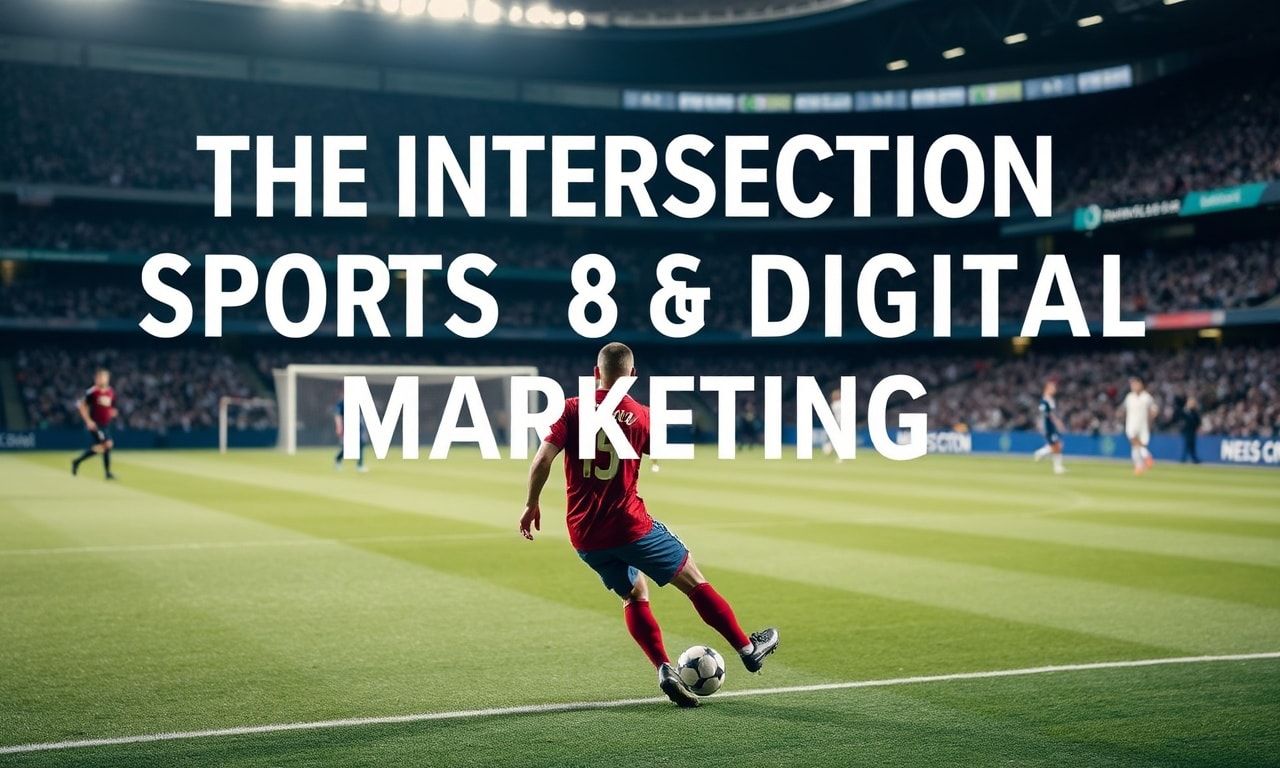
The Intersection of Sports and Digital Marketing: Lessons from the Liga Española

The Intersection of Sports and Digital Marketing: Insights from La Liga
{"prompt":"Create a professional, high-quality photograph for: The Intersection of Sports and Digital Marketing: Insights from La LigaCRITICAL REQUIREMENTS:- NO TEXT whatsoever (no words, no letters, no numbers, no labels)- NO watermarks or signatures- NO captions or annotations- Pure visual photography onlySTYLE:- Professional photography for a marketing website- Clean, modern composition- Good lighting and focus- Suitable for blog featured image","originalPrompt":"Create a professional, high-quality photograph for: The Intersection of Sports and Digital Marketing: Insights from La LigaCRITICAL REQUIREMENTS:- NO TEXT whatsoever (no words, no letters, no numbers, no labels)- NO watermarks or signatures- NO captions or annotations- Pure visual photography onlySTYLE:- Professional photography for a marketing website- Clean, modern composition- Good lighting and focus- Suitable for blog featured image","width":1280,"height":768,"seed":42,"model":"flux","enhance":false,"negative_prompt":"undefined","nofeed":false,"safe":false,"quality":"medium","image":[],"transparent":false,"audio":false,"has_nsfw_concept":false,"concept":null,"trackingData":{"actualModel":"flux","usage":{"completionImageTokens":1,"totalTokenCount":1}}}

The Power of Real-Time Engagement

In the dynamic world of digital marketing, real-time engagement is a game-changer. Much like the thrilling moments in a Liga Española match, brands must seize the opportunity to connect with their audience instantaneously. The Liga Española, known for its unpredictable nature, offers valuable insights into the importance of being present and responsive. For instance, keeping an eye on the clasificación de la liga española hoy can provide marketers with timely content ideas and trending topics to capitalize on.

Leveraging Fan Loyalty for Brand Advocacy

Sports teams, particularly those in the Liga Española, have some of the most loyal fan bases in the world. This loyalty translates into a powerful marketing tool when harnessed correctly. Brands can learn from the way sports teams engage with their fans, creating a sense of community and belonging. By fostering a similar sense of loyalty among their customers, brands can turn them into advocates who promote the brand organically. This can be achieved through exclusive content, personalized experiences, and consistent engagement.

The Role of Social Media in Sports Marketing

Social media platforms have revolutionized the way sports teams and athletes interact with their fans. The Liga Española is a prime example of how social media can be used to build a global fan base and keep them engaged throughout the season. Brands can adopt similar strategies by leveraging social media to share behind-the-scenes content, host live Q&A sessions, and run interactive polls. These activities not only increase engagement but also provide valuable data on customer preferences and behaviors.

Creating Shareable Content

One of the key aspects of social media marketing is creating content that is shareable. In the context of the Liga Española, highlights, goals, and memorable moments are often shared widely by fans. Brands can take a leaf out of this book by creating content that resonates with their audience and encourages them to share it with their networks. This could be in the form of infographics, videos, or blog posts that provide value and entertainment.

The Importance of Data-Driven Decision Making

In both sports and marketing, data is a crucial component of success. The Liga Española teams use data analytics to make informed decisions about player performance, tactics, and strategies. Similarly, brands can use data to understand their target audience better, track the performance of their marketing campaigns, and make data-driven decisions. Tools like Google Analytics, social media insights, and customer feedback can provide valuable data that can be used to refine marketing strategies and improve ROI.

Personalizing the Customer Experience

Data-driven decision making also enables brands to personalize the customer experience. By analyzing customer data, brands can tailor their marketing messages to individual preferences and behaviors. This not only increases the likelihood of conversion but also enhances customer satisfaction and loyalty. For example, sports teams often personalize their interactions with fans based on their preferences and past interactions, creating a more engaging and memorable experience.

Building a Strong Brand Identity

In the competitive world of the Liga Española, each team has a unique identity that sets them apart from the rest. This identity is built through consistent branding, both on and off the field. Brands can learn from this by developing a strong brand identity that resonates with their target audience. This includes creating a compelling brand story, using consistent visual elements, and maintaining a consistent tone of voice across all marketing channels.

Consistency is Key

Consistency is crucial in building a strong brand identity. The Liga Española teams maintain a consistent brand image through their uniforms, logos, and marketing materials. Brands should aim for the same level of consistency by ensuring that their branding elements are cohesive and recognizable across all touchpoints. This helps to build brand recognition and trust among customers.

Conclusion

The world of sports, particularly the Liga Española, offers valuable lessons for digital marketers. From the power of real-time engagement to the importance of data-driven decision making, brands can learn a lot from the strategies employed by sports teams. By leveraging fan loyalty, creating shareable content, and building a strong brand identity, brands can enhance their marketing efforts and achieve greater success in the digital landscape.

To understand how technology is reshaping sports and what it means for digital marketing and branding, delve into data-driven sports transformation.

To elevate your brand and marketing efforts, consider exploring essential steps for digital success, a comprehensive guide on digital marketing and branding strategies.

To enhance your daily digital marketing routine, consider these essential points for SEO success that can significantly boost your online presence.

The Power of Community Engagement in Modern Marketing

The Power of Community Engagement in Modern Marketing
{"prompt":"Create a professional, high-quality photograph for: The Power of Community Engagement in Modern MarketingCRITICAL REQUIREMENTS:- NO TEXT whatsoever (no words, no letters, no numbers, no labels)- NO watermarks or signatures- NO captions or annotations- Pure visual photography onlySTYLE:- Professional photography for a marketing website- Clean, modern composition- Good lighting and focus- Suitable for blog featured image","originalPrompt":"Create a professional, high-quality photograph for: The Power of Community Engagement in Modern MarketingCRITICAL REQUIREMENTS:- NO TEXT whatsoever (no words, no letters, no numbers, no labels)- NO watermarks or signatures- NO captions or annotations- Pure visual photography onlySTYLE:- Professional photography for a marketing website- Clean, modern composition- Good lighting and focus- Suitable for blog featured image","width":1280,"height":768,"seed":42,"model":"flux","enhance":false,"negative_prompt":"undefined","nofeed":false,"safe":false,"quality":"medium","image":[],"transparent":false,"audio":false,"has_nsfw_concept":false,"concept":null,"trackingData":{"actualModel":"flux","usage":{"completionImageTokens":1,"totalTokenCount":1}}}

The Evolution of Marketing: Beyond Traditional Strategies

Marketing has evolved significantly over the years, shifting from traditional methods to more dynamic and interactive strategies. In today’s digital age, community engagement has emerged as a powerful tool for brands to connect with their audience on a deeper level. This shift is not just a trend but a fundamental change in how businesses approach marketing. By fostering a sense of community, brands can build loyalty, enhance their reputation, and drive long-term success.

Community engagement involves creating a space where customers, potential clients, and even employees can interact with the brand. This could be through social media platforms, online forums, or even local events. The key is to create a two-way conversation rather than a one-way broadcast. This approach not only helps in understanding the needs and preferences of the audience but also makes them feel valued and heard.

The Role of Social Media in Community Building

Social media platforms have become the cornerstone of community engagement. With billions of users worldwide, platforms like Facebook, Instagram, and Twitter offer unparalleled opportunities for brands to connect with their audience. These platforms allow for real-time interaction, making it easier to build relationships and foster a sense of community.

One of the most effective ways to engage with the community on social media is through user-generated content. Encouraging users to share their experiences and opinions about the brand can create a sense of ownership and belonging. Brands can also use social media to share updates, news, and even senior center updates and news that are relevant to their community. This not only keeps the audience informed but also shows that the brand is invested in their well-being.

Leveraging SEO for Enhanced Community Engagement

Search Engine Optimization (SEO) is another critical aspect of modern marketing that can significantly enhance community engagement. By optimizing content for search engines, brands can ensure that their community finds the information they need easily. This includes creating high-quality content that addresses the pain points and interests of the community.

SEO also involves understanding the language and keywords that the community uses. By incorporating these keywords into the content, brands can improve their visibility and reach a wider audience. Additionally, SEO can help in building backlinks from reputable sources, which can further enhance the brand’s credibility and authority.

The Importance of Branding in Community Engagement

Branding is a crucial element of community engagement. A strong brand identity can help in creating a sense of familiarity and trust among the community. This includes everything from the brand’s logo and color scheme to its tone of voice and messaging. Consistency is key when it comes to branding, as it helps in reinforcing the brand’s values and principles.

Brands should also ensure that their messaging resonates with the community. This involves understanding the community’s values, interests, and concerns. By aligning the brand’s messaging with these factors, brands can create a stronger connection with their audience. This can lead to increased engagement, loyalty, and advocacy.

Measuring the Success of Community Engagement

Measuring the success of community engagement is essential for understanding its impact on the brand. There are several metrics that brands can use to gauge the effectiveness of their community engagement strategies. These include:

  • Engagement Rates: This includes likes, shares, comments, and other forms of interaction on social media platforms.
  • Website Traffic: Monitoring the number of visitors to the brand’s website can provide insights into the effectiveness of community engagement strategies.
  • Conversion Rates: Tracking the number of community members who take a desired action, such as making a purchase or signing up for a newsletter, can help in understanding the impact of community engagement.
  • Sentiment Analysis: Analyzing the sentiment of community interactions can provide valuable insights into the brand’s reputation and the effectiveness of its engagement strategies.

By regularly monitoring these metrics, brands can make data-driven decisions to improve their community engagement strategies. This can lead to better outcomes and a stronger connection with the community.

To enhance your cultural marketing strategies, delve into the rich heritage of Mexican culinary traditions and discover how it can inspire your next campaign.

To elevate your brand’s online presence, delve into key digital marketing strategies that drive success in today’s competitive landscape.

The Power of Digital Marketing: Strategies for Success in the Modern Era

The Power of Digital Marketing: Strategies for Success in the Modern Age
{"prompt":"Create a professional, high-quality photograph for: The Power of Digital Marketing: Strategies for Success in the Modern AgeCRITICAL REQUIREMENTS:- NO TEXT whatsoever (no words, no letters, no numbers, no labels)- NO watermarks or signatures- NO captions or annotations- Pure visual photography onlySTYLE:- Professional photography for a marketing website- Clean, modern composition- Good lighting and focus- Suitable for blog featured image","originalPrompt":"Create a professional, high-quality photograph for: The Power of Digital Marketing: Strategies for Success in the Modern AgeCRITICAL REQUIREMENTS:- NO TEXT whatsoever (no words, no letters, no numbers, no labels)- NO watermarks or signatures- NO captions or annotations- Pure visual photography onlySTYLE:- Professional photography for a marketing website- Clean, modern composition- Good lighting and focus- Suitable for blog featured image","width":1280,"height":768,"seed":42,"model":"flux","enhance":false,"negative_prompt":"undefined","nofeed":false,"safe":false,"quality":"medium","image":[],"transparent":false,"audio":false,"has_nsfw_concept":false,"concept":null,"trackingData":{"actualModel":"flux","usage":{"completionImageTokens":1,"totalTokenCount":1}}}

The Evolution of Digital Marketing

Digital marketing has undergone a remarkable transformation over the past decade, evolving from a niche practice to a cornerstone of modern business strategy. The advent of social media, search engine optimization (SEO), and data analytics has revolutionized how brands connect with their audiences. Today, digital marketing is not just about reaching customers; it’s about engaging them, understanding their needs, and building lasting relationships. As businesses continue to navigate the digital landscape, the importance of a robust digital marketing strategy cannot be overstated.

The Role of SEO in Digital Marketing

Search Engine Optimization (SEO) remains a critical component of any digital marketing strategy. SEO involves optimizing a website to rank higher in search engine results, thereby increasing visibility and driving organic traffic. Effective SEO practices include keyword research, on-page optimization, and building high-quality backlinks. Additionally, technical SEO, which focuses on improving the backend structure of a website, plays a crucial role in enhancing user experience and search engine rankings. Businesses that invest in SEO can expect to see a significant return on investment, as higher rankings translate to increased traffic and potential sales.

On-Page vs. Off-Page SEO

On-page SEO refers to the practices implemented directly on a website to improve its ranking. This includes optimizing content, meta tags, and internal links. Off-page SEO, on the other hand, involves activities outside of the website, such as link building and social media marketing. Both on-page and off-page SEO are essential for a comprehensive digital marketing strategy. By balancing these two aspects, businesses can achieve a well-rounded approach to SEO that maximizes their online visibility.

The Importance of Social Media Marketing

Social media marketing has become an integral part of digital marketing, offering businesses a platform to engage with their audience on a personal level. Platforms like Facebook, Instagram, Twitter, and LinkedIn provide opportunities for brands to share content, interact with customers, and build a loyal following. Effective social media marketing involves creating engaging content, leveraging influencer partnerships, and utilizing paid advertising options. By maintaining an active presence on social media, businesses can enhance their brand awareness, drive traffic to their website, and ultimately boost sales.

Creating Engaging Content

Content is the backbone of social media marketing. Creating engaging, high-quality content that resonates with your audience is key to success. This can include blog posts, videos, infographics, and interactive content like quizzes and polls. Additionally, businesses should focus on storytelling to create an emotional connection with their audience. By consistently delivering valuable content, businesses can establish themselves as thought leaders in their industry and build a strong online community.

Building a Strong Brand Identity

Branding is a crucial aspect of digital marketing that goes beyond just creating a logo or tagline. A strong brand identity encompasses the values, personality, and unique selling propositions of a business. Effective branding helps businesses differentiate themselves from competitors and build customer loyalty. In the digital age, branding extends to online platforms, including websites, social media profiles, and email marketing campaigns. By maintaining a consistent brand voice and visual identity across all channels, businesses can create a cohesive and memorable brand experience for their customers.

The Role of Website Hosting in Branding

When it comes to building a strong online presence, the quality of your website hosting can significantly impact your branding efforts. A reliable hosting provider ensures that your website is always accessible, fast, and secure. For businesses looking to enhance their online security, investing in dedicated hosting with dedicated DDoS protection can be a game-changer. This type of hosting provides robust protection against cyber threats, ensuring that your website remains operational and your brand’s reputation intact. By prioritizing website performance and security, businesses can create a positive user experience that reflects well on their brand.

Measuring Success with Data Analytics

Data analytics plays a pivotal role in digital marketing, allowing businesses to track the performance of their campaigns and make data-driven decisions. Tools like Google Analytics provide valuable insights into website traffic, user behavior, and conversion rates. By analyzing this data, businesses can identify trends, optimize their marketing strategies, and improve their return on investment. Additionally, A/B testing can help businesses refine their marketing efforts by comparing the performance of different versions of a campaign. Leveraging data analytics enables businesses to stay agile and responsive to market changes, ensuring continuous growth and success.

Key Metrics to Track

There are several key metrics that businesses should track to measure the success of their digital marketing efforts. These include website traffic, bounce rate, conversion rate, click-through rate (CTR), and customer acquisition cost (CAC). By monitoring these metrics, businesses can gain a comprehensive understanding of their marketing performance and identify areas for improvement. Regularly reviewing and analyzing these metrics allows businesses to make informed decisions that drive growth and maximize their marketing ROI.

To stay ahead in the digital marketing landscape, explore how AI powers Industry 4.0 and its impact on branding and SEO strategies.

To elevate your digital marketing game, dive into key strategies for digital success and learn how to dominate the digital landscape with proven techniques.

To understand how digital advancements are influencing local business growth, explore Stirling’s tech-driven evolution and its impact on marketing strategies.

The Power of Personal Branding in Digital Marketing

The Power of Personal Branding in Digital Marketing
{"prompt":"Create a professional, high-quality photograph for: The Power of Personal Branding in Digital MarketingCRITICAL REQUIREMENTS:- NO TEXT whatsoever (no words, no letters, no numbers, no labels)- NO watermarks or signatures- NO captions or annotations- Pure visual photography onlySTYLE:- Professional photography for a marketing website- Clean, modern composition- Good lighting and focus- Suitable for blog featured image","originalPrompt":"Create a professional, high-quality photograph for: The Power of Personal Branding in Digital MarketingCRITICAL REQUIREMENTS:- NO TEXT whatsoever (no words, no letters, no numbers, no labels)- NO watermarks or signatures- NO captions or annotations- Pure visual photography onlySTYLE:- Professional photography for a marketing website- Clean, modern composition- Good lighting and focus- Suitable for blog featured image","width":1280,"height":768,"seed":42,"model":"flux","enhance":false,"negative_prompt":"undefined","nofeed":false,"safe":false,"quality":"medium","image":[],"transparent":false,"audio":false,"has_nsfw_concept":false,"concept":null,"trackingData":{"actualModel":"flux","usage":{"completionImageTokens":1,"totalTokenCount":1}}}

The Evolution of Personal Branding

In the digital age, personal branding has evolved from a mere buzzword to a critical component of digital marketing strategies. The concept of personal branding, popularized by Tom Peters in a 1997 Fast Company article, has taken on new dimensions with the advent of social media and the internet. Today, individuals and businesses alike recognize the importance of crafting a unique and compelling personal brand to stand out in a crowded digital landscape.

The Intersection of Personal Branding and Digital Marketing

Personal branding and digital marketing are inextricably linked. A strong personal brand can enhance a company’s overall brand image, fostering trust and credibility. Conversely, effective digital marketing strategies can amplify a personal brand, reaching a wider audience and creating more significant impact. This symbiotic relationship is why many businesses are investing in personal branding as part of their broader marketing efforts.

Building Trust and Credibility

One of the primary benefits of personal branding is the ability to build trust and credibility. When consumers see a consistent and authentic personal brand, they are more likely to trust the individual and, by extension, the company they represent. This trust can translate into increased customer loyalty and higher conversion rates. For instance, a well-known industry expert can significantly influence purchasing decisions, making personal branding a powerful tool in the digital marketer’s arsenal.

Enhancing SEO and Social Media Presence

Personal branding also plays a crucial role in search engine optimization (SEO) and social media marketing. When individuals consistently publish high-quality content and engage with their audience, they improve their search engine rankings. This increased visibility can drive more traffic to their personal websites or social media profiles, further amplifying their brand. Additionally, a strong personal brand can enhance a company’s social media presence, as followers are more likely to engage with content from a trusted and recognizable figure. For example, understanding how to comment accessoiriser une tenue can be a unique way to showcase personal style and engage with followers on a more personal level.

Strategies for Effective Personal Branding

Creating a compelling personal brand requires a strategic approach. Here are some key strategies to consider:

Define Your Unique Value Proposition

Identify what sets you apart from others in your industry. This could be your expertise, unique perspective, or personal story. Clearly articulating your unique value proposition is the first step in building a strong personal brand.

Consistency Across Platforms

Maintain a consistent brand image across all digital platforms. This includes your website, social media profiles, and any guest posts or articles you contribute to. Consistency helps reinforce your brand message and makes it more recognizable to your audience.

Engage with Your Audience

Regularly interact with your followers and respond to their comments and questions. Engagement builds a sense of community around your brand and fosters loyalty. Use social media platforms to share valuable content, participate in discussions, and showcase your personality.

Leverage Content Marketing

Create and share high-quality content that showcases your expertise and provides value to your audience. This could include blog posts, videos, podcasts, or social media updates. Consistent content creation helps establish you as a thought leader in your industry.

The Role of Personal Branding in Career Advancement

Personal branding is not just beneficial for businesses; it can also significantly impact career advancement. A strong personal brand can open doors to new opportunities, whether it’s a promotion, a new job, or speaking engagements. In today’s competitive job market, having a well-defined personal brand can set you apart from other candidates and make you more attractive to potential employers.

Networking and Collaboration

A well-established personal brand can facilitate networking and collaboration opportunities. When you are recognized as an expert in your field, others are more likely to seek you out for collaborations, partnerships, and joint ventures. These relationships can lead to new business opportunities and career growth.

Showcasing Your Expertise

Personal branding allows you to showcase your expertise and thought leadership in your industry. By consistently sharing valuable insights and engaging with your audience, you can position yourself as a go-to resource for information and advice. This can lead to invitations to speak at conferences, contribute to industry publications, and even author books or create online courses.

Measuring the Success of Your Personal Brand

To ensure your personal branding efforts are effective, it’s essential to measure their success. Here are some key metrics to consider:

Social Media Engagement

Track metrics such as likes, shares, comments, and followers on your social media profiles. High engagement rates indicate that your audience finds your content valuable and engaging.

Website Traffic

Monitor the traffic to your personal website or blog. An increase in visitors can indicate that your personal brand is gaining recognition and attracting more attention.

Search Engine Rankings

Check your search engine rankings for your name and relevant keywords. Improved rankings suggest that your personal brand is becoming more visible and authoritative.

Feedback and Testimonials

Collect feedback and testimonials from your audience, colleagues, and clients. Positive feedback can provide valuable insights into the strengths of your personal brand and areas for improvement.

Conclusion

In conclusion, personal branding is a powerful tool in the digital marketing landscape. By building a strong personal brand, individuals and businesses can enhance their credibility, improve their SEO and social media presence, and open doors to new opportunities. Whether you are a business owner, marketer, or professional, investing in personal branding can yield significant benefits and contribute to long-term success. Embrace the power of personal branding and watch your digital presence soar.

As the holiday season approaches, discover how Berlin blends time-honored customs with innovative trends in Berlin’s festive marketing magic, offering inspiration for your own seasonal branding campaigns.

To enhance your content strategy and engage diverse audiences, delve into exploring Asian culinary traditions and their global appeal.

To enhance your brand’s aesthetic and appeal, consider delving into pearl jewelry’s timeless allure, a topic that can inspire unique marketing campaigns and SEO strategies.

The Power of Personal Branding in Digital Marketing

The Power of Personal Branding in Digital Marketing
{"prompt":"Create a professional, high-quality photograph for: The Power of Personal Branding in Digital MarketingCRITICAL REQUIREMENTS:- NO TEXT whatsoever (no words, no letters, no numbers, no labels)- NO watermarks or signatures- NO captions or annotations- Pure visual photography onlySTYLE:- Professional photography for a marketing website- Clean, modern composition- Good lighting and focus- Suitable for blog featured image","originalPrompt":"Create a professional, high-quality photograph for: The Power of Personal Branding in Digital MarketingCRITICAL REQUIREMENTS:- NO TEXT whatsoever (no words, no letters, no numbers, no labels)- NO watermarks or signatures- NO captions or annotations- Pure visual photography onlySTYLE:- Professional photography for a marketing website- Clean, modern composition- Good lighting and focus- Suitable for blog featured image","width":1280,"height":768,"seed":42,"model":"flux","enhance":false,"negative_prompt":"undefined","nofeed":false,"safe":false,"quality":"medium","image":[],"transparent":false,"audio":false,"has_nsfw_concept":false,"concept":null,"trackingData":{"actualModel":"flux","usage":{"completionImageTokens":1,"totalTokenCount":1}}}

The Evolution of Personal Branding

In the digital age, personal branding has evolved from a mere buzzword to a critical component of digital marketing strategies. The concept of personal branding, popularized by Tom Peters in a 1997 Fast Company article, has taken on new dimensions with the advent of social media and the internet. Today, individuals and businesses alike recognize the importance of crafting a unique and compelling personal brand to stand out in a crowded digital landscape.

The Intersection of Personal Branding and Digital Marketing

Personal branding and digital marketing are inextricably linked. A strong personal brand can enhance a company’s overall brand image, fostering trust and credibility. Conversely, effective digital marketing strategies can amplify a personal brand, reaching a wider audience and creating more significant impact. This symbiotic relationship is why many businesses are investing in personal branding as part of their broader marketing efforts.

Building Trust and Credibility

One of the primary benefits of personal branding is the ability to build trust and credibility. When consumers see a consistent and authentic personal brand, they are more likely to trust the individual and, by extension, the company they represent. This trust can translate into increased customer loyalty and higher conversion rates. For instance, a well-known industry expert can significantly influence purchasing decisions, making personal branding a powerful tool in the digital marketer’s arsenal.

Enhancing SEO and Social Media Presence

Personal branding also plays a crucial role in search engine optimization (SEO) and social media marketing. When individuals consistently publish high-quality content and engage with their audience, they improve their search engine rankings. This increased visibility can drive more traffic to their personal websites or social media profiles, further amplifying their brand. Additionally, a strong personal brand can enhance a company’s social media presence, as followers are more likely to engage with content from a trusted and recognizable figure. For example, understanding how to comment accessoiriser une tenue can be a unique way to showcase personal style and engage with followers on a more personal level.

Strategies for Effective Personal Branding

Creating a compelling personal brand requires a strategic approach. Here are some key strategies to consider:

Define Your Unique Value Proposition

Identify what sets you apart from others in your industry. This could be your expertise, unique perspective, or personal story. Clearly articulating your unique value proposition is the first step in building a strong personal brand.

Consistency Across Platforms

Maintain a consistent brand image across all digital platforms. This includes your website, social media profiles, and any guest posts or articles you contribute to. Consistency helps reinforce your brand message and makes it more recognizable to your audience.

Engage with Your Audience

Regularly interact with your followers and respond to their comments and questions. Engagement builds a sense of community around your brand and fosters loyalty. Use social media platforms to share valuable content, participate in discussions, and showcase your personality.

Leverage Content Marketing

Create and share high-quality content that showcases your expertise and provides value to your audience. This could include blog posts, videos, podcasts, or social media updates. Consistent content creation helps establish you as a thought leader in your industry.

The Role of Personal Branding in Career Advancement

Personal branding is not just beneficial for businesses; it can also significantly impact career advancement. A strong personal brand can open doors to new opportunities, whether it’s a promotion, a new job, or speaking engagements. In today’s competitive job market, having a well-defined personal brand can set you apart from other candidates and make you more attractive to potential employers.

Networking and Collaboration

A well-established personal brand can facilitate networking and collaboration opportunities. When you are recognized as an expert in your field, others are more likely to seek you out for collaborations, partnerships, and joint ventures. These relationships can lead to new business opportunities and career growth.

Showcasing Your Expertise

Personal branding allows you to showcase your expertise and thought leadership in your industry. By consistently sharing valuable insights and engaging with your audience, you can position yourself as a go-to resource for information and advice. This can lead to invitations to speak at conferences, contribute to industry publications, and even author books or create online courses.

Measuring the Success of Your Personal Brand

To ensure your personal branding efforts are effective, it’s essential to measure their success. Here are some key metrics to consider:

Social Media Engagement

Track metrics such as likes, shares, comments, and followers on your social media profiles. High engagement rates indicate that your audience finds your content valuable and engaging.

Website Traffic

Monitor the traffic to your personal website or blog. An increase in visitors can indicate that your personal brand is gaining recognition and attracting more attention.

Search Engine Rankings

Check your search engine rankings for your name and relevant keywords. Improved rankings suggest that your personal brand is becoming more visible and authoritative.

Feedback and Testimonials

Collect feedback and testimonials from your audience, colleagues, and clients. Positive feedback can provide valuable insights into the strengths of your personal brand and areas for improvement.

Conclusion

In conclusion, personal branding is a powerful tool in the digital marketing landscape. By building a strong personal brand, individuals and businesses can enhance their credibility, improve their SEO and social media presence, and open doors to new opportunities. Whether you are a business owner, marketer, or professional, investing in personal branding can yield significant benefits and contribute to long-term success. Embrace the power of personal branding and watch your digital presence soar.