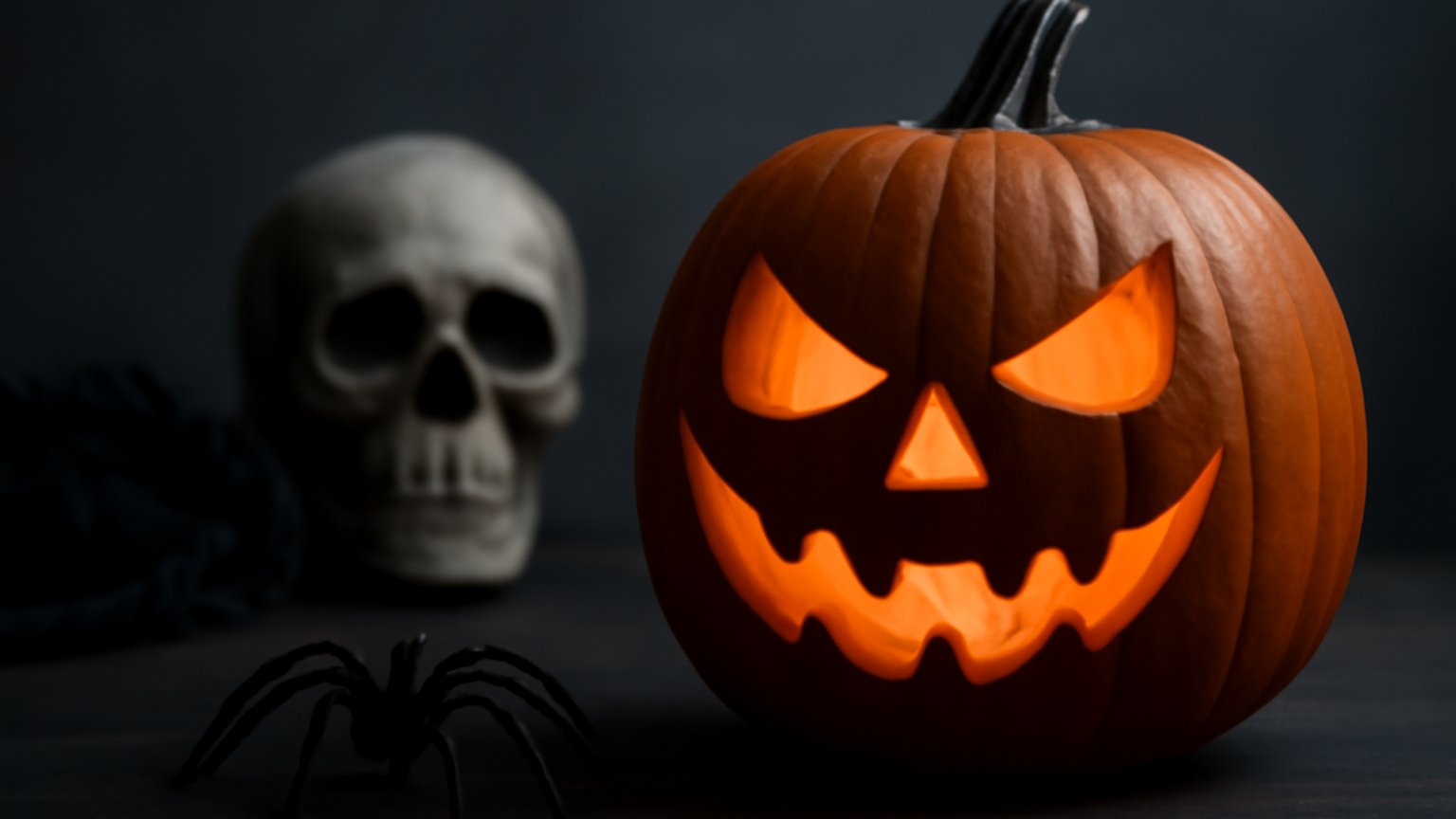
For those who claim they never watch horror movies, or for the casual viewer who only catches the occasional top horror movies for Halloween marathon, horror films have an uncanny ability to grasp our attention and, often, our wallets. It’s a phenomenon that’s worth dissecting—marketing experts can learn a thing or two from the crafty ways horror movies manage to captivate audiences time and time again. One need look no further than the way latest movie reviews and news outlets obsess over the latest release from the likes of A Nightmare on Elm Street or The Exorcist. But what exactly is it about horror that makes us return, again and again, for more? Is it the promise of a good scare, or is there something more at play? As we prepare to don costumes and settle in for another round of frightful fun, we’ll be taking a closer look at the marketing lessons behind our favorite Halloween films. By analyzing the most terrifying horror movies, we’ll uncover the clever branding tactics and marketing tricks that make them stand out from the rest. And, just as importantly, we’ll explore the potential pitfalls that await when fear-mongering goes too far.
Creepy Branding: How Horror Movies Make You Forget the Fear
Creepy branding is an art form that horror movies master. They know how to make you forget the fear and remember the thrill of the experience. From iconic monsters to disturbing scenarios, these films have become an integral part of popular culture. But what can marketers learn from them? One of the key takeaways is the power of consistent branding. For instance, the Halloween franchise has been scaring audiences for over four decades, and Michael Myers’ mask has become an instantly recognizable symbol of terror.
Consistent branding is not the only thing that horror movies excel at. They also know how to create a sense of atmosphere and tension. The use of lighting, sound effects, and camera angles can make even the most mundane scenes feel unsettling. Marketers can learn from this by creating immersive experiences for their audiences. Whether it’s through social media, email marketing, or events, the goal is to draw people in and keep them engaged.
The Art of Misdirection: Unpacking Marketing's Most Terrifying Tricks
Marketers, take note: even the most terrifying horror movies rely on a few key tricks to send shivers down our spines. One of the most effective is misdirection – making the audience focus on one thing while hiding the real terror in plain sight.
Consider the classic horror trope of the creepy old mansion, full of hidden rooms and secret passages. It’s a staple of the genre, but what makes it so effective? The answer lies in its ability to create a sense of unease and uncertainty, keeping viewers guessing and on edge.
The art of misdirection is a delicate one, requiring a keen understanding of human psychology and behavior. By subtly manipulating the audience’s perception, marketers can create a sense of intrigue and curiosity, drawing them in and keeping them engaged.
Blood and Gore: When Fear-Mongering Backfires – and What You Can Learn
In the horror‑film universe, blood and gore can be a double‑edged sword for brands. One misstep and a campaign that once felt edgy becomes a cautionary tale. Think of the backlash that followed the infamous 1978 slasher, when the marketing team pushed a promotional poster featuring a dripping knife that was deemed “too graphic” for mainstream television. The public reaction was swift: complaints poured in, leading to a costly recall and a tarnished brand image. Marketers learn that sensationalism can backfire when it alienates core audiences or violates platform guidelines.
Social media algorithms add another layer of risk. Platforms like TikTok and Instagram penalize content that triggers the “graphic content” flag, reducing organic reach. A brand that once leveraged a viral, horror‑themed hashtag found its posts shadow‑banned overnight, forcing a pivot to a less controversial tone. Instead, aligning with the “top horror movies for Halloween” trend by featuring behind‑the‑scenes clips or spooky soundtracks can keep engagement high without crossing the line. For a fresh angle, check out Streaming’s Best Action Flicks: 10 to see how action and horror can coexist in a safe, audience‑friendly package.
Scare Tactics: How Horror Films Manipulate Your Emotions to Sell
The manipulation of emotions is a well-known marketing strategy, often employed by filmmakers to create a lasting impact on their audience. Horror movies, in particular, use psychological manipulation to elicit the most intense reactions. By creating a sense of fear, anxiety, and even euphoria, filmmakers can evoke the ‘fight or flight’ response, drawing viewers into the story and making it more memorable. This is a tactic marketers can learn from, especially when creating content that aims to provoke an emotional response, such as in social media campaigns.
The effectiveness of horror movies in manipulating emotions can be seen in their ability to create a sense of community among viewers. Frightened viewers often turn to their friends and family for support and reassurance, fostering a sense of connection and shared experience. This can be a valuable marketing opportunity, with brands leveraging this natural bonding process to create a loyal customer base. For instance, Bringing Box Office Magic to the home, by hosting movie nights or offering cozy entertainment options for friends and family.
The Scream Queen Effect: How to Create Lasting Brand Loyalty Like Your Favorite Horror Heroines
The Scream Queen Effect hinges on emotional resonance and recurring motifs—just as a beloved heroine appears time after time, a brand must echo core values across touchpoints. When audiences see a familiar face, they feel safe and invested; the same holds for a mascot or logo that reappears in campaigns, events, and social posts. Brands that master this consistency turn fleeting interest into lasting loyalty.
Social media amplifies this effect. A hashtag that fans can rally around—think of #HalloweenHorrorHeroines—creates a community that shares memes, fan art, and personal anecdotes, keeping the brand top of mind. SEO plays a quiet but powerful role; optimizing for phrases like “top horror movies for Halloween” draws organic traffic that can be redirected to product pages or subscription offers. Finally, email drip sequences that tease upcoming releases, much like a film’s teaser trailers, maintain anticipation and convert curiosity into purchase intent. By weaving emotional hooks, consistent imagery, and strategic SEO, marketers can achieve the same brand devotion that horror fans exhibit for their favorite scream queens.
Marketing Mayhem: What Horror Films Teach Us
As the lights fade to black on another Halloween screening, marketers would do well to take note of the timeless lessons offered by horror’s most iconic films. By masterfully weaving fear and fantasy, these masterminds have turned terror into a lucrative commodity. At its core, effective horror marketing hinges on a delicate balance of manipulation and engagement. By cleverly exploiting human psychology, horror films expertly craft a sense of anticipation, heightening the emotional stakes and rendering audiences more susceptible to the filmmakers’ message. This potent cocktail of fear and fascination has become an enduring hallmark of successful horror movies.
The most enduring horror brands have transcended the silver screen, cementing their places in popular culture. Their lasting impact serves as a testament to the power of strategic marketing and the enduring allure of well-crafted fear. Yet, as the line between entertainment and exploitation continues to blur, marketers must confront the very real consequences of their actions. Can we harness the visceral power of horror to drive brand loyalty without sacrificing our values? The question remains — and it’s one we should all be afraid to answer.
Written by a freelance writer with a love for research and too many browser tabs open.