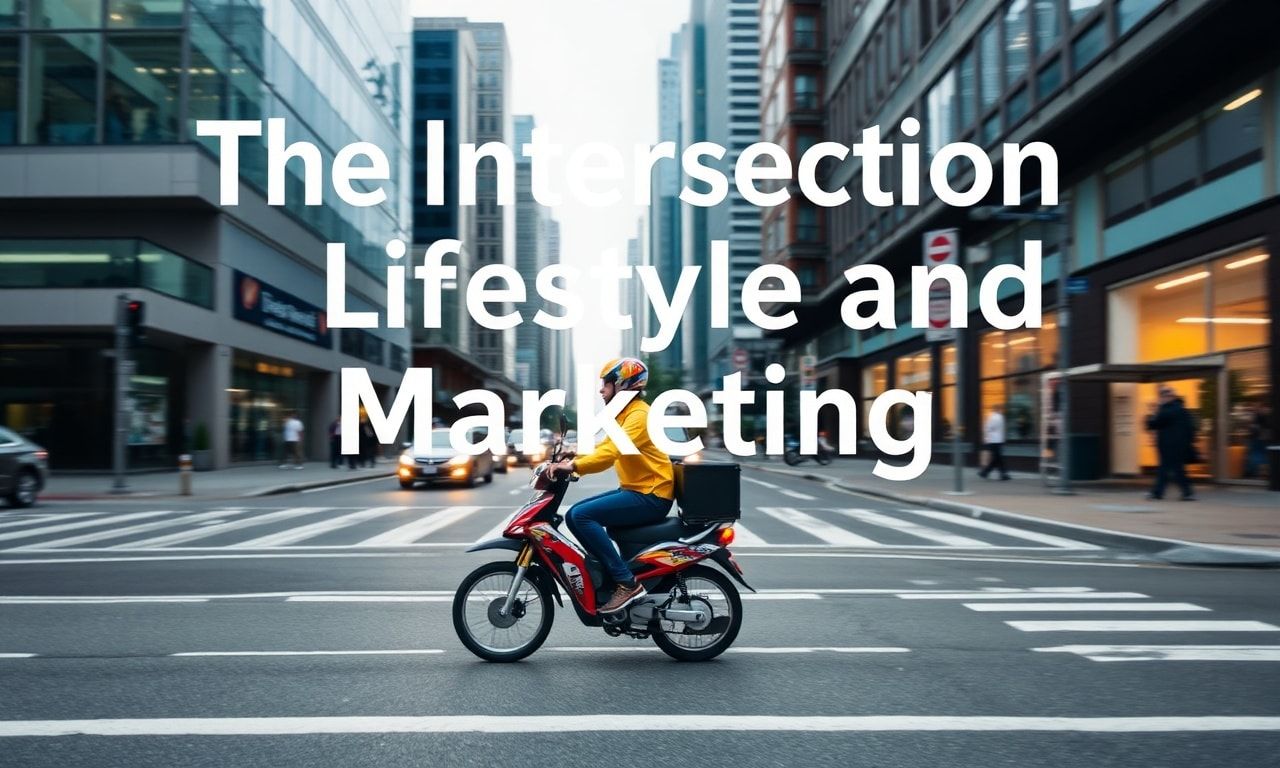
The Urban Landscape and Consumer Behavior
The urban landscape is evolving rapidly, with cities becoming more congested and environmentally conscious. This shift is influencing consumer behavior and, consequently, marketing strategies. As people seek efficient and eco-friendly ways to navigate city life, brands must adapt to meet these changing needs. Understanding these trends can provide valuable insights for marketers looking to connect with urban consumers.
Sustainability as a Core Value
Sustainability is no longer just a trend; it’s a core value for many urban consumers. This shift towards eco-consciousness is reshaping the market, with consumers increasingly favoring brands that align with their values. For marketers, this means emphasizing sustainability in product development, packaging, and overall brand messaging. Companies that can authentically communicate their commitment to sustainability are likely to resonate more with urban consumers.
The Role of Technology in Urban Marketing
Technology plays a pivotal role in urban marketing, enabling brands to reach consumers more effectively. From mobile apps that offer personalized recommendations to smart city initiatives that enhance urban living, technology is at the forefront of modern marketing strategies. For instance, the rise of electric bikes has transformed urban commuting, offering a sustainable and efficient alternative to traditional transportation. If you’re looking to explore this trend, consider checking out the best electric bikes for city living to understand how technology is influencing urban mobility.
Personalization and Localized Marketing
In a city setting, personalization and localized marketing are key to capturing consumer attention. Urban consumers are bombarded with information, making it crucial for brands to tailor their messages to specific audiences. This can involve using data analytics to understand local preferences, creating targeted ad campaigns, and leveraging social media platforms to engage with consumers on a personal level. By focusing on personalization, brands can build stronger connections with urban consumers and foster brand loyalty.
Leveraging Social Media for Urban Marketing
Social media is a powerful tool for urban marketing, allowing brands to reach consumers where they spend a significant amount of their time. Platforms like Instagram, Facebook, and Twitter offer unique opportunities for brands to showcase their products, engage with consumers, and build a community around their brand. For example, a brand selling eco-friendly products can use Instagram to share visually appealing content that highlights the benefits of sustainable living. By leveraging social media effectively, brands can amplify their reach and create a lasting impact on urban consumers.
Building a Strong Brand Identity
In the competitive urban market, building a strong brand identity is essential for standing out. A well-defined brand identity helps consumers recognize and remember a brand, making it more likely that they will choose it over competitors. This involves developing a unique brand voice, creating consistent messaging, and ensuring that all touchpoints—from packaging to customer service—reflect the brand’s values. By investing in a strong brand identity, companies can build trust and loyalty among urban consumers.
The Importance of SEO in Urban Marketing
Search Engine Optimization (SEO) is a critical component of urban marketing, helping brands increase their visibility and reach. By optimizing their websites and content for relevant keywords, brands can attract more organic traffic and connect with consumers who are actively searching for their products or services. For example, a brand selling eco-friendly products can use SEO to target keywords related to sustainability and urban living, making it easier for consumers to find them. By incorporating SEO into their marketing strategy, brands can enhance their online presence and drive more traffic to their websites.
Conclusion
The urban landscape presents unique challenges and opportunities for marketers. By understanding consumer behavior, leveraging technology, and building a strong brand identity, brands can effectively connect with urban consumers. Whether it’s through personalized marketing, social media engagement, or SEO optimization, the key is to stay adaptable and responsive to the evolving needs of urban consumers. By doing so, brands can build lasting relationships and thrive in the competitive urban market.