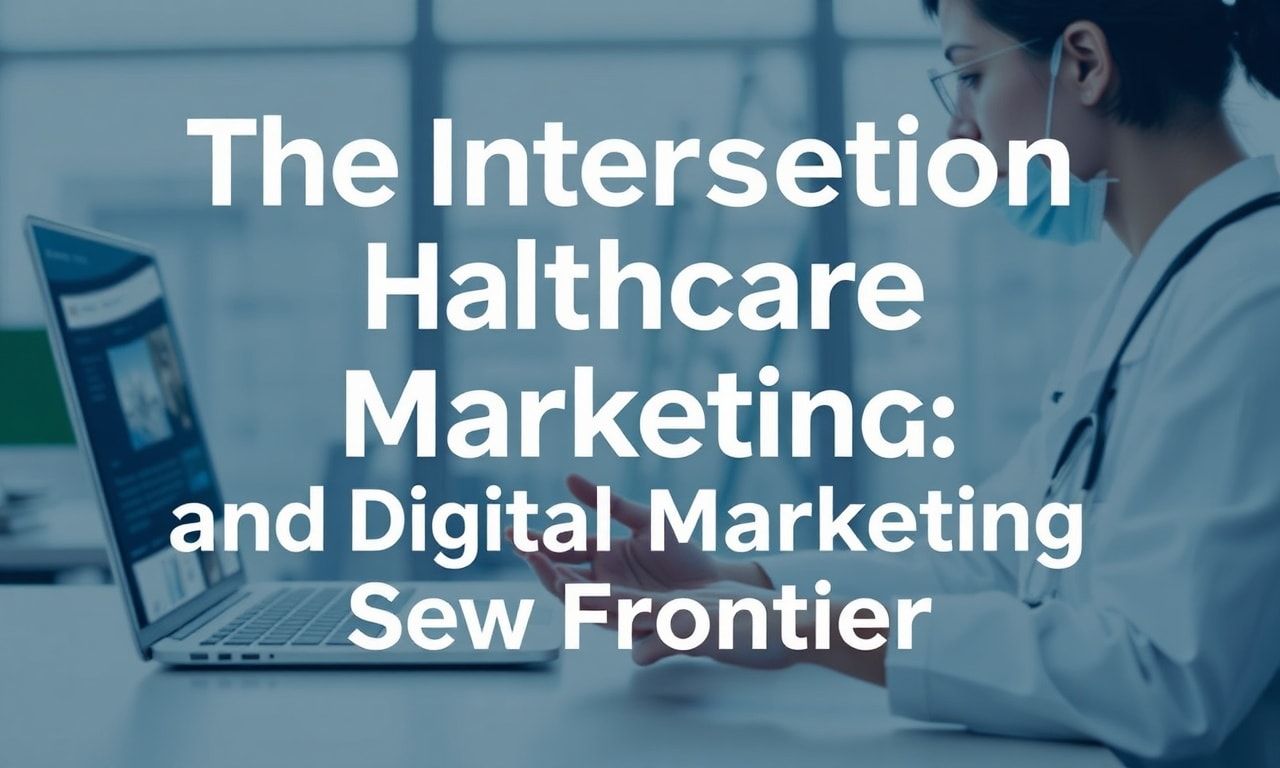
The Evolution of Digital Marketing in Healthcare
The healthcare industry is undergoing a significant transformation, driven by technological advancements and changing consumer behaviors. Digital marketing has emerged as a powerful tool for healthcare providers to reach and engage with their target audiences. From SEO strategies to social media campaigns, the digital landscape offers numerous opportunities for healthcare brands to enhance their visibility and credibility.
SEO Strategies for Healthcare Providers
Search Engine Optimization (SEO) is a critical component of any digital marketing strategy, and the healthcare sector is no exception. By optimizing their websites for relevant keywords, healthcare providers can improve their search engine rankings and attract more organic traffic. This involves creating high-quality, informative content that addresses the needs and concerns of patients. Additionally, local SEO strategies can help healthcare providers target patients in their geographic area, ensuring that they are easily found when potential patients search for healthcare services nearby.
For instance, staying updated with the latest trends in healthcare technology can provide valuable insights for content creation. Websites like new health news on healthcare technology offer a wealth of information that can be leveraged to create engaging and relevant content. This not only improves SEO but also establishes the healthcare provider as a thought leader in the industry.
The Role of Social Media in Healthcare Marketing
Social media platforms have become essential tools for healthcare marketing. They provide a direct line of communication between healthcare providers and patients, enabling real-time engagement and interaction. Platforms like Facebook, Twitter, and Instagram allow healthcare providers to share updates, educational content, and success stories, fostering a sense of community and trust.
Moreover, social media can be used to gather patient feedback and address concerns promptly. This not only improves patient satisfaction but also enhances the reputation of the healthcare provider. By leveraging social media analytics, healthcare marketers can gain valuable insights into patient behavior and preferences, allowing them to tailor their marketing strategies accordingly.
Building a Strong Healthcare Brand
Branding is a crucial aspect of healthcare marketing. A strong brand can differentiate a healthcare provider from its competitors and build patient loyalty. This involves creating a consistent and compelling brand message that resonates with the target audience. Visual elements such as logos, color schemes, and typography play a significant role in brand recognition and should be carefully designed to reflect the values and mission of the healthcare provider.
In addition to visual elements, the brand message should be communicated consistently across all marketing channels. This includes the website, social media profiles, email newsletters, and even offline marketing materials. Consistency in branding helps to build trust and credibility, making it easier for patients to recognize and remember the healthcare provider.
The Importance of Content Marketing
Content marketing is a powerful tool for healthcare providers to educate and engage their target audience. By creating valuable and informative content, healthcare providers can establish themselves as authorities in their field and build trust with patients. This can include blog posts, articles, videos, infographics, and more.
For example, a blog post on the latest advancements in medical technology can attract patients who are interested in cutting-edge treatments. Similarly, a video series featuring patient testimonials can provide social proof and build credibility. The key is to create content that addresses the needs and concerns of the target audience, providing them with valuable information that they can use to make informed decisions about their healthcare.
Measuring the Success of Healthcare Marketing Campaigns
To ensure the effectiveness of their marketing strategies, healthcare providers must measure and analyze their performance. This involves tracking key metrics such as website traffic, engagement rates, conversion rates, and patient feedback. By analyzing these metrics, healthcare marketers can identify what is working and what needs improvement, allowing them to optimize their strategies for better results.
Tools like Google Analytics, social media analytics, and customer relationship management (CRM) systems can provide valuable insights into patient behavior and preferences. By leveraging these tools, healthcare providers can gain a deeper understanding of their target audience and tailor their marketing strategies accordingly. This not only improves the effectiveness of their marketing campaigns but also enhances the overall patient experience.
Future Trends in Healthcare Marketing
The healthcare industry is constantly evolving, and so are the marketing strategies that support it. Emerging technologies such as artificial intelligence (AI), virtual reality (VR), and augmented reality (AR) are poised to revolutionize healthcare marketing. For instance, AI-powered chatbots can provide instant support to patients, answering their queries and scheduling appointments. VR and AR can be used to create immersive experiences that educate patients about medical procedures and treatments.
Additionally, the rise of telemedicine and remote patient monitoring is changing the way healthcare providers interact with their patients. Digital marketing strategies must adapt to these changes, leveraging technology to provide personalized and convenient healthcare experiences. By staying ahead of these trends, healthcare providers can ensure that they remain competitive and continue to meet the evolving needs of their patients.
In the ever-evolving landscape of digital marketing and personal branding, continuous self-improvement is key; discover how to cultivate a more fulfilling life with our latest insights on personal growth and success.
To align your branding with deeper values, explore faith-based wellness strategies, offering a unique perspective on holistic health.
As a digital marketer, understanding the importance of health for entrepreneurs and startups can significantly impact your strategy; explore how in our latest piece, health’s role in business success.