The Power of Visual Marketing
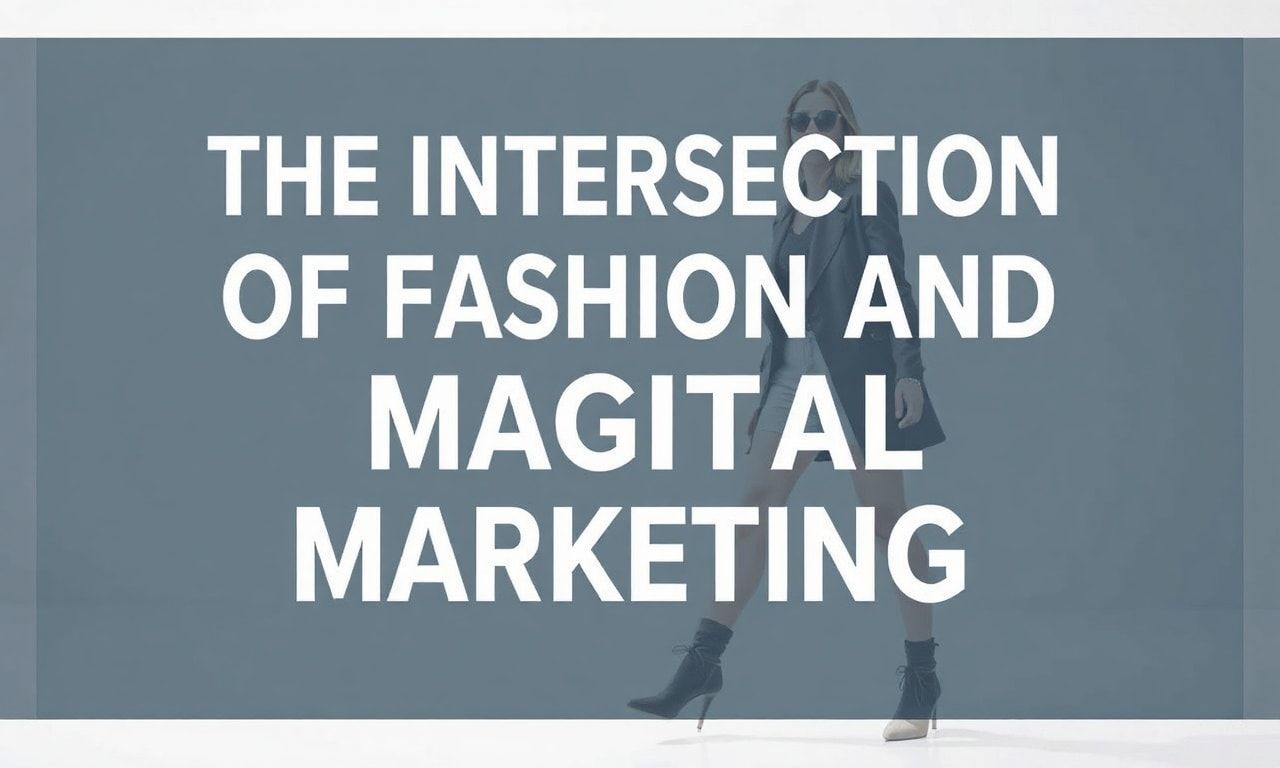
In the realm of digital marketing, visual content reigns supreme. Platforms like Instagram, Pinterest, and TikTok have transformed the way brands engage with their audience, making visual marketing an indispensable tool. Fashion, with its inherent visual appeal, is a perfect fit for these platforms. By leveraging high-quality images and videos, fashion brands can create compelling narratives that resonate with their audience, driving engagement and conversions.
Social Media Strategies for Fashion Brands
Social media is a dynamic landscape that requires a strategic approach. For fashion brands, this means understanding the unique demographics and behaviors of each platform. Instagram, for instance, is ideal for showcasing products through visually appealing posts and stories. Meanwhile, Pinterest is a goldmine for driving traffic to your website, with users actively seeking inspiration and ideas. TikTok, on the other hand, offers a more casual and creative space for brands to connect with a younger audience.
Collaborating with influencers can significantly amplify your reach. Influencers have built trust with their followers, making their endorsements highly valuable. When selecting influencers, consider their alignment with your brand values and their engagement rates. Micro-influencers, with their niche audiences, can often provide a higher return on investment than macro-influencers.
User-Generated Content
Encouraging user-generated content (UGC) is a powerful way to build community and trust. By featuring customer photos and testimonials, you not only showcase your products in real-life settings but also foster a sense of belonging among your customers. UGC can be shared across your social media platforms, website, and email campaigns, creating a cohesive and authentic brand narrative.
SEO and Content Marketing
Search Engine Optimization (SEO) is crucial for driving organic traffic to your website. For fashion brands, this means optimizing product descriptions, blog posts, and other content with relevant keywords. Long-tail keywords, which are more specific and less competitive, can help you target niche audiences effectively. For example, if you’re selling bridesmaid dresses, you might optimize for terms like “affordable bridesmaid dresses” or “best jewelry for bridesmaid dresses”.
Content marketing goes hand in hand with SEO. By creating valuable and informative content, you can attract and engage your target audience. Blog posts, style guides, and lookbooks are excellent ways to showcase your products while providing value to your readers. Regularly updating your blog with fresh content can also improve your search engine rankings.
Email Marketing
Email marketing remains one of the most effective channels for driving sales and nurturing customer relationships. Personalized email campaigns, tailored to the interests and behaviors of your subscribers, can significantly improve open and click-through rates. Segmenting your email list based on demographics, purchase history, and engagement levels allows you to deliver more targeted and relevant content.
Branding and Storytelling
Branding is about more than just your logo and color scheme; it’s about the story you tell and the emotions you evoke. Fashion brands that successfully convey their unique identity and values can create a strong emotional connection with their audience. Storytelling is a powerful tool in this regard, allowing you to communicate your brand’s mission, history, and vision in a compelling way.
Consistency is key in branding. Ensure that your brand’s visual and verbal identity is consistent across all touchpoints, from your website and social media profiles to your packaging and customer service. This consistency helps build recognition and trust, making your brand more memorable and appealing.
Customer Experience
The customer experience encompasses every interaction a customer has with your brand, from browsing your website to receiving their order. Providing a seamless and enjoyable experience is crucial for building loyalty and encouraging repeat purchases. This includes offering excellent customer service, easy navigation on your website, and a smooth checkout process.
Conclusion
The intersection of fashion and digital marketing offers endless opportunities for brands to engage with their audience and drive growth. By leveraging visual marketing, social media strategies, SEO, content marketing, email marketing, and branding, fashion brands can create a cohesive and compelling online presence. Remember, the key to success lies in understanding your audience, delivering value, and maintaining consistency across all channels.
To stay ahead in the ever-evolving digital landscape, delve into marketing trends shaping 2024 and discover actionable strategies to enhance your brand’s online presence.
As brands gear up for Valentine’s Day campaigns, understanding global traditions can enhance your marketing strategy; discover how with our guide on celebrating love worldwide.
To boost your personal brand and stand out in the digital landscape, explore fashion tips for professionals that resonate with your audience and enhance your online presence.