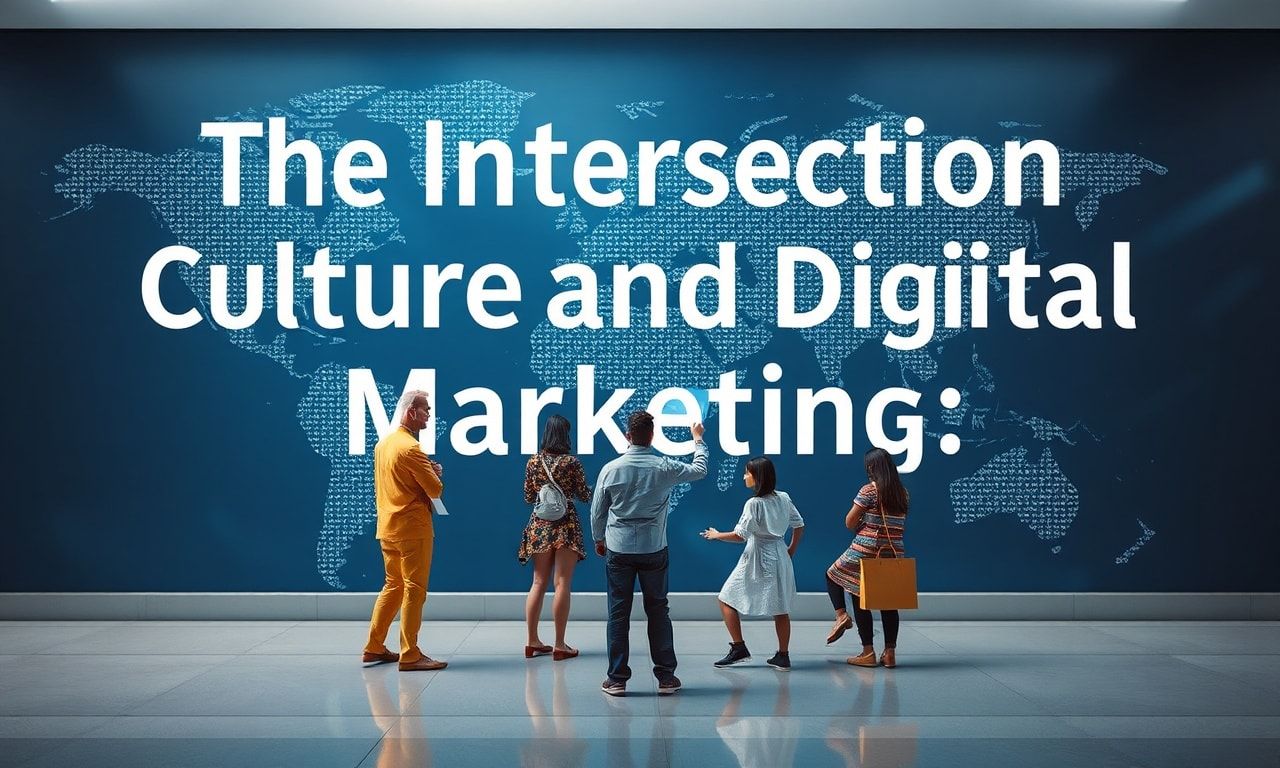
The Importance of Cultural Sensitivity in Digital Marketing
In the increasingly globalized world of digital marketing, understanding and respecting cultural nuances is paramount. Brands that tailor their marketing strategies to align with local customs, values, and traditions are more likely to build strong connections with their target audiences. This cultural sensitivity not only fosters trust but also enhances brand loyalty and engagement. As marketers, it’s crucial to recognize that what works in one market may not resonate in another. Therefore, investing time and resources into cultural research and localization can yield significant returns.
Leveraging Local Traditions and Practices
One effective way to incorporate cultural sensitivity into digital marketing is by leveraging local traditions and practices. For instance, in predominantly Muslim countries, acknowledging religious practices such as prayer times can demonstrate respect and understanding. Tools like namaz vakti sorgulama can be integrated into marketing campaigns to show that a brand values the cultural and religious practices of its audience. This approach not only humanizes the brand but also makes it more relatable to the local population.
The Role of Language and Localization
Language is a powerful tool in digital marketing. Translating content into the local language is just the first step; localization involves adapting the content to fit the cultural context. This includes using idioms, references, and humor that resonate with the local audience. For example, a social media campaign that uses locally popular memes or slang can significantly boost engagement. Additionally, ensuring that the language used is respectful and free from cultural insensitivity is crucial. Brands should avoid using language that could be perceived as offensive or derogatory in different cultural contexts.
Case Studies: Successful Cultural Integration in Marketing
Several brands have successfully integrated cultural sensitivity into their marketing strategies. For example, Coca-Cola’s “Share a Coke” campaign was adapted to include local names in different countries, making it more personal and relatable. Similarly, McDonald’s has tailored its menu to include local dishes in various regions, showing respect for local culinary traditions. These examples highlight the importance of understanding and integrating local cultures into marketing strategies.
Challenges and Best Practices
While cultural sensitivity is crucial, it also comes with challenges. One common pitfall is stereotyping, which can lead to offensive or inaccurate representations of a culture. To avoid this, marketers should conduct thorough research and consult with local experts. Another challenge is keeping up with evolving cultural trends and practices. Regularly updating marketing strategies to reflect these changes is essential. Best practices include:
- Conducting thorough cultural research before launching campaigns.
- Consulting with local experts and community members.
- Using localized content and avoiding direct translations.
- Regularly updating marketing strategies to reflect cultural changes.
- Monitoring feedback and adjusting campaigns accordingly.
Conclusion
In conclusion, cultural sensitivity is a vital component of successful digital marketing. By understanding and respecting local traditions, languages, and practices, brands can build stronger connections with their target audiences. Leveraging tools like namaz vakti sorgulama and integrating local customs into marketing strategies can demonstrate a brand’s commitment to cultural respect. While challenges exist, following best practices and staying informed about cultural trends can help brands navigate these complexities and create impactful, culturally sensitive marketing campaigns.
In the realm of personal branding and digital presence, understanding cultural nuances is key; discover how to balance faith and fashion with our guide on styling around prayer times.
To boost productivity and creativity, consider exploring water fasting benefits and tips that can enhance your marketing efforts and brand strategy.
Discover how the digital transformation is reshaping learning environments in our latest piece, technology’s impact on education, and gain insights to inform your digital marketing strategies.