The Power of Branding in Physical Spaces
In the realm of marketing, branding is a critical component that extends far beyond logos and taglines. It encompasses the entire customer experience, including the physical spaces where your brand interacts with your audience. This is where the intersection of branding and interior design becomes a powerful tool for creating memorable experiences. By aligning your interior design with your brand identity, you can reinforce your brand message and leave a lasting impression on your customers.
Understanding Brand Identity
Before diving into interior design, it’s essential to have a clear understanding of your brand identity. This includes your brand’s mission, values, personality, and visual elements such as color schemes, typography, and imagery. Your brand identity should be consistent across all touchpoints, from your website and social media profiles to your physical store or office. By maintaining this consistency, you can build brand recognition and foster customer loyalty.
Defining Your Brand Personality
Your brand personality is the human characteristics associated with your brand. It could be described as friendly, sophisticated, innovative, or any other trait that resonates with your target audience. Understanding your brand personality is crucial in interior design, as it will guide the selection of materials, colors, and furnishings that reflect these traits. For example, a brand with a modern and innovative personality might opt for sleek, minimalist designs and cutting-edge technology, while a brand with a more traditional personality might prefer classic, timeless pieces.
Translating Brand Identity into Interior Design
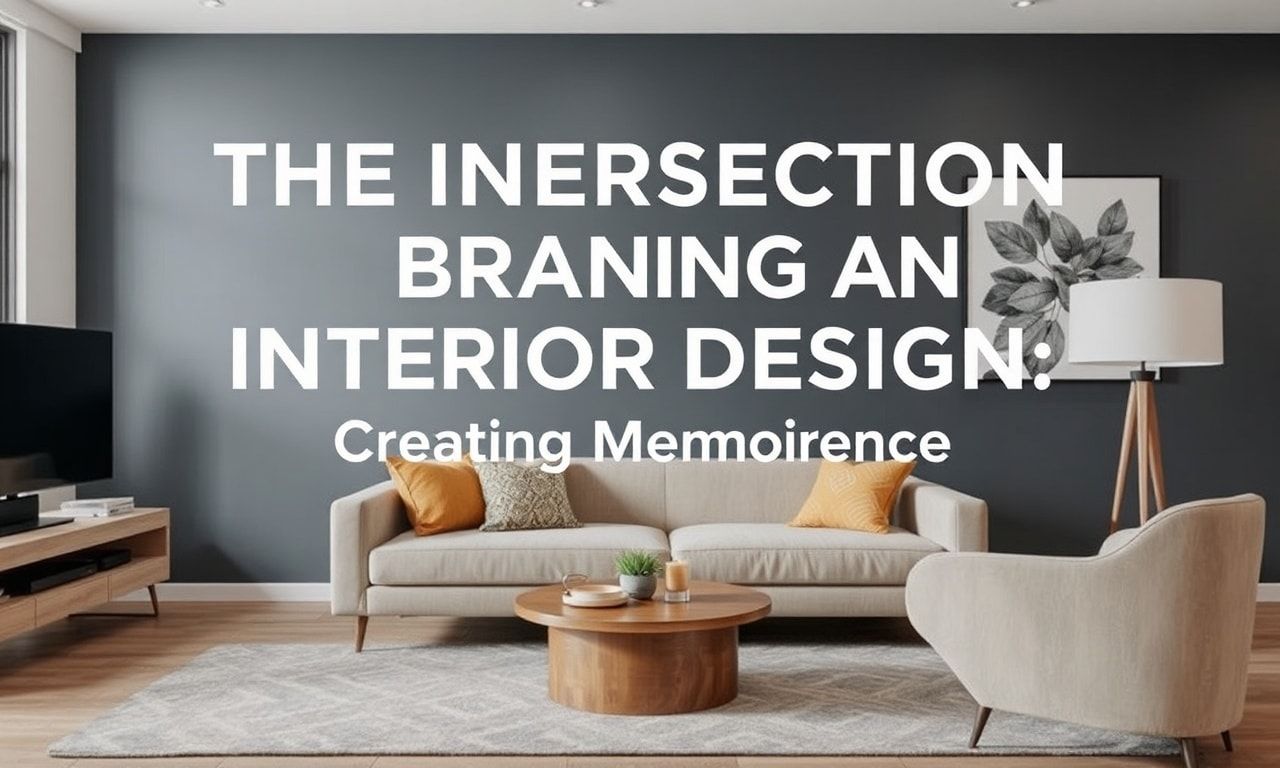
Once you have a clear understanding of your brand identity, the next step is to translate it into your interior design. This involves selecting materials, colors, and furnishings that align with your brand’s visual elements and personality. For instance, if your brand’s color scheme is predominantly blue and white, you might incorporate these colors into your wall paint, furniture, and decor. Similarly, if your brand personality is innovative, you might opt for unique, statement pieces that reflect this trait.
In addition to visual elements, consider how your interior design can enhance the customer experience. For example, if your brand values sustainability, you might incorporate eco-friendly materials and energy-efficient lighting. If your brand is known for its hospitality, you might create a welcoming atmosphere with comfortable seating and warm lighting. By aligning your interior design with your brand values, you can create a cohesive and memorable customer experience.
Inspiration from Unexpected Sources
When brainstorming ideas for your interior design, don’t be afraid to look beyond the typical marketing and design resources. For instance, you might find inspiration in unexpected places, such as home decor blogs or lifestyle magazines. For example, if you’re looking for ideas for an industrial-style salon that aligns with your brand’s modern and innovative personality, you might find valuable insights on idee per un salotto industriale. By exploring a wide range of sources, you can discover unique and creative ideas that set your brand apart.
The Role of Digital Marketing in Enhancing Physical Spaces
In today’s digital age, it’s essential to integrate your physical spaces with your digital marketing efforts. This can be achieved through various strategies, such as creating engaging content that showcases your interior design, leveraging social media to share behind-the-scenes looks, and using SEO to drive traffic to your physical location. By combining your physical and digital marketing efforts, you can create a seamless and immersive brand experience that resonates with your audience.
Creating Engaging Content
One effective way to integrate your physical spaces with your digital marketing is by creating engaging content that showcases your interior design. This could include high-quality photographs, virtual tours, or even short videos that highlight the unique features of your space. By sharing this content on your website and social media channels, you can give your audience a glimpse into your brand’s physical environment and generate interest in visiting your location.
Leveraging Social Media
Social media platforms offer a powerful way to connect with your audience and share updates about your physical spaces. For example, you might share behind-the-scenes looks at the design process, announce upcoming events or promotions, or showcase customer testimonials. By leveraging social media, you can build anticipation and excitement around your physical spaces and create a sense of community among your followers.
Using SEO to Drive Traffic
Search engine optimization (SEO) is another crucial aspect of digital marketing that can help drive traffic to your physical location. By optimizing your website and online listings with relevant keywords, you can improve your visibility in search results and attract more local customers. Additionally, you can use local SEO strategies, such as creating Google My Business listings and encouraging customer reviews, to enhance your online presence and drive foot traffic to your store or office.
Measuring the Success of Your Branding and Interior Design Efforts
To ensure that your branding and interior design efforts are effective, it’s essential to measure their success. This can be achieved through various metrics, such as customer feedback, foot traffic, and sales data. By analyzing these metrics, you can gain valuable insights into what’s working and what’s not, allowing you to make data-driven decisions and continuously improve your brand experience.
Customer Feedback
Customer feedback is a valuable source of information that can help you understand how your audience perceives your brand and interior design. You can gather feedback through various channels, such as surveys, reviews, and social media comments. By analyzing this feedback, you can identify areas for improvement and make adjustments to enhance the customer experience.
Foot Traffic and Sales Data
Foot traffic and sales data are also crucial metrics that can help you measure the success of your branding and interior design efforts. By tracking these metrics over time, you can determine whether your physical spaces are attracting and retaining customers. If you notice a decline in foot traffic or sales, it may be an indication that your interior design is not resonating with your audience, and adjustments may be needed.
In conclusion, the intersection of branding and interior design offers a powerful opportunity to create memorable experiences that resonate with your audience. By aligning your interior design with your brand identity, leveraging digital marketing strategies, and measuring your success, you can create a cohesive and immersive brand experience that sets your business apart from the competition.
To elevate your online presence, consider exploring essential steps in digital marketing and SEO that can drive your brand’s success.