The Rise of Adventure Marketing
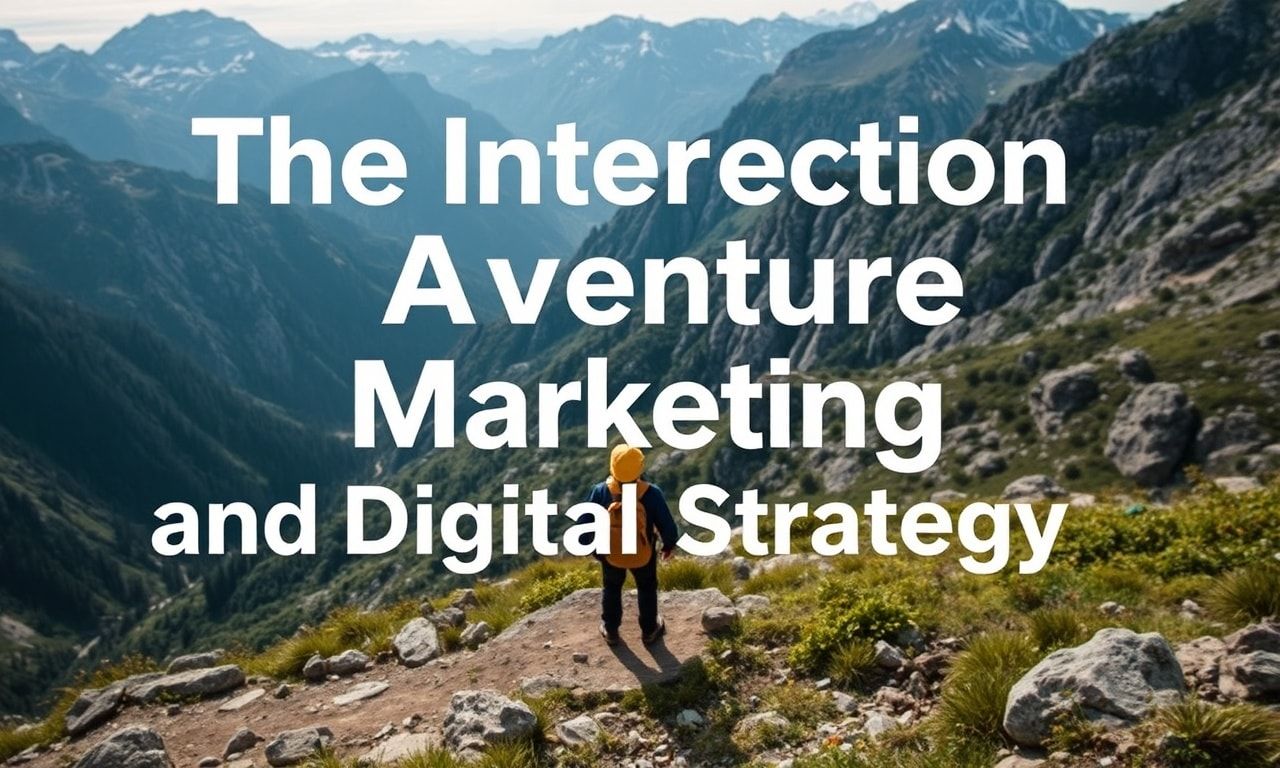
In the ever-evolving landscape of digital marketing, one trend has emerged as a powerful tool for brands seeking to connect with their audience on a deeper level: adventure marketing. This strategy involves creating immersive, experiential campaigns that transport consumers into exciting, often adrenaline-fueled scenarios. By tapping into the human desire for exploration and excitement, brands can forge stronger emotional connections and foster brand loyalty.
Crafting Immersive Experiences
To successfully implement adventure marketing, brands must focus on creating immersive experiences that captivate the senses. This can be achieved through a variety of mediums, including virtual reality, interactive websites, and even real-world events. For instance, a travel company might create a virtual reality experience that allows users to ‘try out’ different adventure travel activities guide before booking a trip. This not only provides a taste of the adventure but also builds anticipation and excitement.
The Role of Storytelling
Storytelling is at the heart of any successful adventure marketing campaign. Brands must craft compelling narratives that draw consumers in and make them feel like they are part of the adventure. This can be achieved through the use of vivid imagery, engaging copy, and even user-generated content. By encouraging consumers to share their own adventure stories, brands can create a sense of community and foster a deeper connection with their audience.
Leveraging Social Media
Social media platforms are a natural fit for adventure marketing, as they allow brands to share immersive content and engage with their audience in real-time. Platforms like Instagram and Facebook are particularly well-suited to this type of marketing, as they allow users to share photos, videos, and stories that capture the essence of their adventures. Brands can leverage these platforms to create hashtag campaigns, host live events, and share user-generated content that showcases the excitement of their products or services.
The Power of Influencer Partnerships
Influencer partnerships can be a powerful tool in adventure marketing, as they allow brands to tap into the existing audiences of adventure enthusiasts. By partnering with influencers who share their brand values and target audience, companies can create authentic, engaging content that resonates with consumers. This can include sponsored posts, affiliate marketing, and even co-created content that showcases the influencer’s personal adventure experiences.
Measuring Success
As with any marketing strategy, it’s essential to measure the success of adventure marketing campaigns to ensure they are delivering the desired results. Key metrics to track include engagement rates, social media shares, website traffic, and conversion rates. By analyzing these metrics, brands can gain valuable insights into what’s working and what’s not, allowing them to refine their strategies and maximize their ROI.
The Importance of SEO
Search engine optimization (SEO) plays a crucial role in the success of any digital marketing campaign, and adventure marketing is no exception. By optimizing their content for relevant keywords and phrases, brands can improve their visibility in search engine results and attract more organic traffic to their websites. This can be achieved through the use of on-page SEO techniques, such as keyword research, meta tags, and internal linking, as well as off-page SEO strategies like guest blogging and social media promotion.
Conclusion
Adventure marketing offers a unique and exciting opportunity for brands to connect with their audience on a deeper level. By creating immersive experiences, leveraging the power of storytelling, and utilizing social media and influencer partnerships, companies can craft campaigns that captivate consumers and foster brand loyalty. However, it’s essential to measure the success of these campaigns and continually refine strategies to ensure they are delivering the desired results. By embracing the principles of adventure marketing, brands can create memorable, engaging experiences that set them apart from the competition.
To gain a deeper understanding of how digital marketing strategies can boost travel brands, explore marketing travel in the digital age for expert insights.
In the fast-paced world of digital marketing, taking a break is essential for creativity and productivity; discover how to unwind in dreamy winter getaways that offer warm climates and relaxation.
To elevate your brand’s visual appeal and engagement, consider exploring stylish travel and destination tips that can inspire your next social media campaign or content strategy.