The Evolution of Digital Marketing
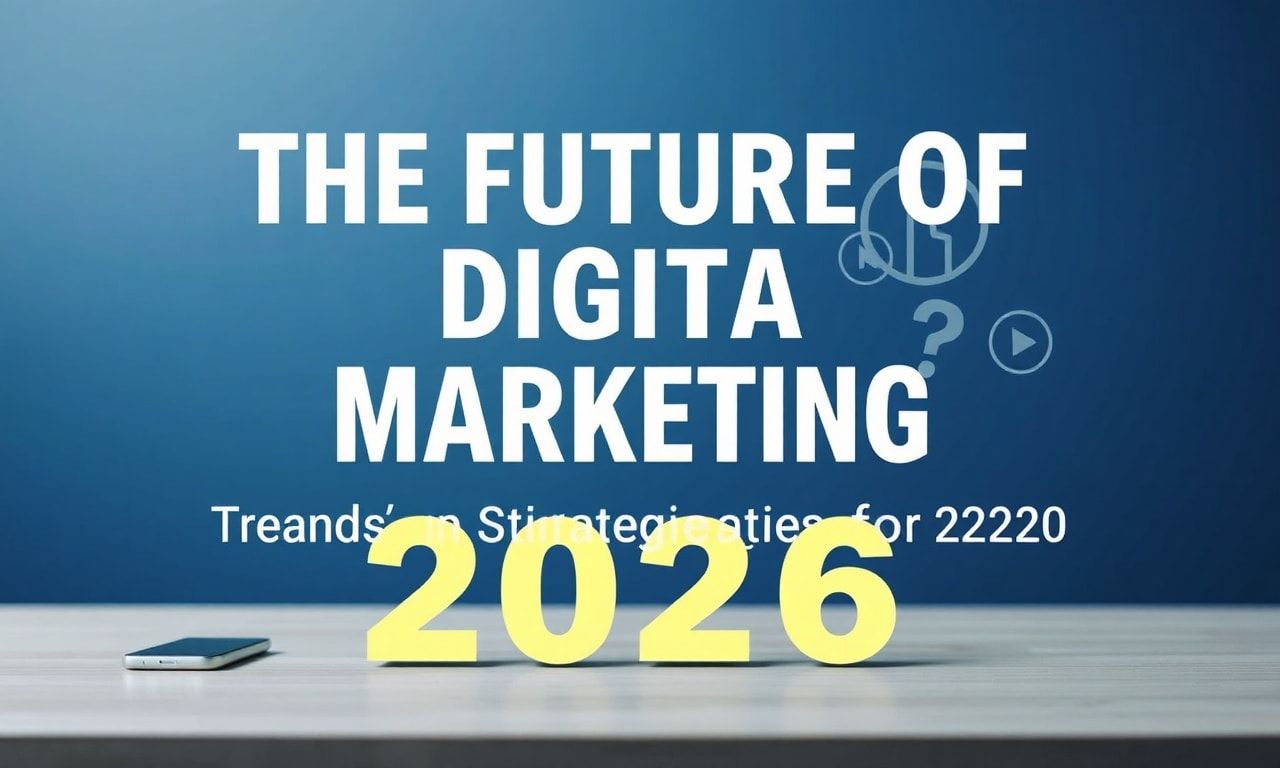
Digital marketing has undergone a significant transformation over the past decade. From the rise of social media to the advent of artificial intelligence, the landscape has evolved rapidly. As we look ahead to 2026, it’s crucial for marketers to stay informed about the latest technology trends 2026 and how they will impact their strategies. Understanding these trends will enable businesses to stay competitive and effectively reach their target audiences.
Emerging Technologies and Their Impact
The integration of emerging technologies into digital marketing strategies is set to redefine the industry. Technologies such as augmented reality (AR), virtual reality (VR), and the Internet of Things (IoT) are poised to create immersive and personalized experiences for consumers. These technologies will not only enhance user engagement but also provide valuable data that can be leveraged for more targeted marketing campaigns. As we move towards 2026, marketers must be prepared to adapt and incorporate these innovations into their strategies.
Artificial Intelligence and Machine Learning
Artificial Intelligence (AI) and Machine Learning (ML) are already playing a pivotal role in digital marketing. From chatbots that provide instant customer support to algorithms that analyze consumer behavior, AI and ML are revolutionizing the way marketers operate. By 2026, these technologies are expected to become even more sophisticated, enabling marketers to predict consumer trends with greater accuracy and personalize content on an unprecedented scale. Investing in AI-driven tools and platforms will be essential for staying ahead of the curve.
Voice Search and Smart Assistants
Voice search and smart assistants are becoming increasingly prevalent in our daily lives. With the rise of devices like Amazon Alexa and Google Home, consumers are turning to voice search for quick and convenient information. By 2026, optimizing for voice search will be a critical component of any digital marketing strategy. Marketers will need to focus on natural language processing and creating content that aligns with the way people speak, rather than type. This shift will require a deeper understanding of conversational search patterns and the ability to provide concise, accurate answers to voice queries.
The Role of Data and Analytics
Data and analytics have always been at the heart of digital marketing. However, the volume and complexity of data are growing exponentially. By 2026, marketers will need to harness the power of big data and advanced analytics to gain deeper insights into consumer behavior. This will involve leveraging tools that can process and analyze vast amounts of data in real-time, enabling marketers to make data-driven decisions and optimize their campaigns for maximum impact. The ability to interpret and act on data will be a key differentiator in the competitive landscape.
Personalization and Customer Experience
Personalization is no longer a luxury but a necessity in the world of digital marketing. Consumers expect brands to understand their preferences and deliver tailored experiences. By 2026, personalization will reach new heights, driven by advancements in AI and data analytics. Marketers will be able to create highly personalized content, recommendations, and offers that resonate with individual consumers. This level of personalization will not only enhance customer satisfaction but also drive higher conversion rates and brand loyalty. Investing in technologies that enable real-time personalization will be crucial for marketers looking to stay ahead.
Ethical Considerations and Data Privacy
As data becomes more integral to digital marketing, ethical considerations and data privacy will take center stage. Consumers are increasingly concerned about how their data is being used and protected. By 2026, marketers will need to prioritize transparency and build trust with their audiences. This will involve implementing robust data protection measures, adhering to regulations like GDPR, and being upfront about data collection practices. Brands that prioritize ethical marketing and data privacy will not only comply with regulations but also build stronger relationships with their customers.
Strategies for Success in 2026
To thrive in the digital marketing landscape of 2026, marketers must adopt a forward-thinking approach. This involves staying informed about the latest technology trends 2026, investing in emerging technologies, and leveraging data and analytics to drive decision-making. Additionally, a focus on personalization and ethical marketing will be essential for building trust and engaging with consumers effectively. By embracing these strategies, marketers can position their brands for success in an increasingly competitive and dynamic digital environment.
Continuous Learning and Adaptation
The digital marketing landscape is constantly evolving, and continuous learning is key to staying relevant. Marketers should invest in ongoing education and training to keep up with the latest trends and technologies. This could involve attending industry conferences, participating in webinars, or enrolling in online courses. By staying informed and adaptable, marketers can effectively navigate the challenges and opportunities that lie ahead. A commitment to lifelong learning will be instrumental in driving innovation and achieving long-term success.
To elevate your brand’s online presence, explore digital branding strategies for success and learn how to leverage digital marketing effectively.
In the realm of digital marketing and branding, creating a secure and engaging environment is crucial; discover how in safety meets lifestyle design.
To stay ahead in the digital marketing landscape, explore how blockchain transforms marketing strategies and offers innovative solutions for branding and customer engagement.