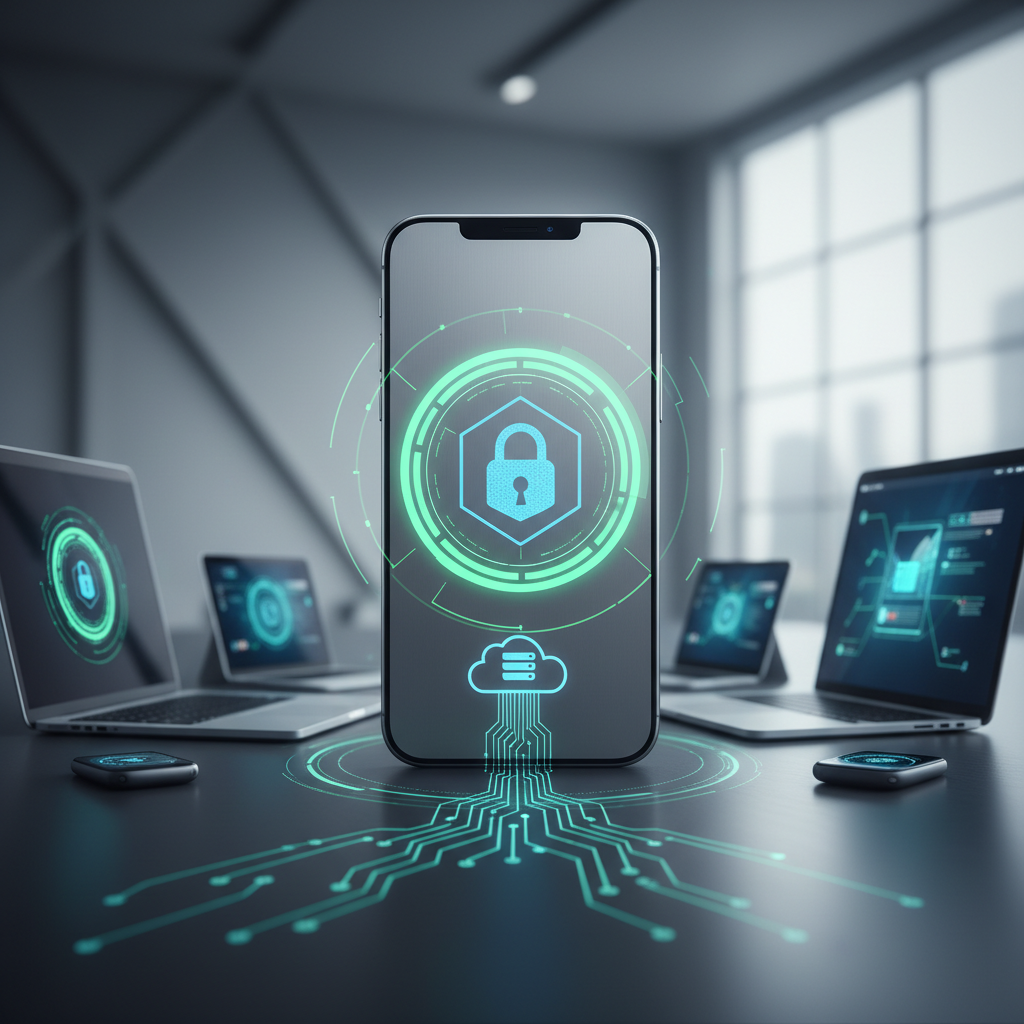
In today’s digitally fueled world, top brands are grappling with the delicate balance between security and accessibility. As hackers and cyber threats become increasingly sophisticated, many are turning to two-factor authentication (2FA) as a lifeline. But what role does 2FA play in the grand scheme of digital security, and how are top brands leveraging it to their advantage? Take the example of an online banking customer trying to access their account, and the SMS verification platform for businesses, which adds a crucial extra layer of security by requiring a one-time code sent to the customer’s phone to authenticate their identity. This adds a human touch to the digital interface, ensuring that even if a password is compromised, the account remains secure. Top brands recognize the value of 2FA in preventing cyberattacks, protecting sensitive customer data, and maintaining trust. By embracing 2FA, they not only bolster their security but also enhance the customer experience, reducing friction and promoting a sense of security and peace of mind. But how do they do it? What makes 2FA so effective, and what’s the secret to implementing it seamlessly?
The Human Element: Why Two-Factor Authentication Makes Sense in a Cloud-First World
The Human Element: Why Two-Factor Authentication Makes Sense in a Cloud-First World
As the world becomes increasingly digital, businesses are relying more heavily on cloud-based services to store and manage sensitive data. However, this shift to the cloud has also increased the risk of cyber threats, making it essential for top brands to adopt robust security measures to protect their users and systems.
- ✅ Implement two-factor authentication (2FA) across all user registration processes
- ⚡ Consider using an sms verification api for user registration to ensure seamless verification and minimize friction for users
- 💡 Regularly review and adjust 2FA settings to align with evolving security threats and user behaviors
Two-factor authentication makes sense in a cloud-first world because it provides an additional layer of security that can help prevent unauthorized access to sensitive data and systems. By requiring users to confirm their identity using a second factor, such as a code sent via SMS or a biometric scan, businesses can significantly reduce the risk of cyber attacks and data breaches.
Security Comparison: 2FA vs Single-Factor Authentication
| 2FA | Single-Factor Authentication | |
|---|---|---|
| Security Level | High | Low |
| User Experience | Enhanced Security | Increased Friction |
| Cyber Threat Prevention | >75% | >50% |
💡 Pro Tip: Ensure that your 2FA system is user-friendly and easy to implement to maximize adoption and effectiveness. Consider offering multiple authentication options to accommodate diverse user preferences and needs.
Beyond Passwords: The Anatomy of a Secure Two-Factor Authentication System
For a robust Two-Factor Authentication (2FA) system, top brands go beyond passwords. They incorporate a combination of verification methods to ensure unparalleled security. One critical aspect is the use of a reputable best sms verification service for developers to handle one-time password (OTP) verification.
- ✅ Implementing an SMS-based 2FA mechanism can increase security by significantly reducing the reliance on passwords.
- ⚡ Choosing a reliable one time password verification service can prevent security breaches and phishing attacks.
- 💡 Regularly updating and patching the 2FA system is crucial to ensure seamless security.
A well-designed 2FA system should incorporate a multi-factor approach, combining at least two different authentication methods. This can include a combination of:
| Method | Pros | Cons |
|---|---|---|
| SMS-based 2FA | Easy to implement | Relying on mobile networks can be unreliable |
| Biometric authentication | Highly secure | May require hardware upgrades |
| Passwordless authentication | Increases security without passwords | Can be complex to implement |
This multi-factor approach provides an added layer of security, making it significantly more difficult for cyber attackers to compromise the system. By incorporating a secure best sms verification service for developers and a diverse range of authentication methods, top brands can ensure their 2FA systems remain robust and effective.
The Psychology of Security: How Two-Factor Authentication Wins Trust with Customers and Employees
When it comes to building trust with customers and employees, security is paramount. Top brands understand that a robust security framework is not only a compliance necessity but also a competitive advantage. By implementing two-factor authentication, companies can demonstrate their commitment to protecting sensitive information and earning trust.
- ✅ Implement a clear security policy to communicate the importance of two-factor authentication to both employees and customers.
- ⚡ Integrate a reliable sms verification platform La vera sicurezza online: come to add an extra layer of security.
By providing an additional form of verification, companies can reduce the risk of unauthorized access. This, in turn, helps to alleviate concerns around data protection and creates a safer online experience for users.
| Authentication Method | Security Level |
|---|---|
| Password-only | Low |
| Password + SMS verification | Medium |
| Password + Biometric verification | High |
Measuring Success: The Metrics Top Brands Use to Evaluate the Effectiveness of Two-Factor Authentication
When evaluating the effectiveness of two-factor authentication (2FA), top brands consider a range of metrics, from reduction in phishing attacks to improvement in user experience.
- ✅ Implement a comprehensive 2FA policy that covers all employees and users.
- ⚡ Regularly audit and update 2FA protocols to stay ahead of evolving threats.
- 💡 Ensure seamless integration with existing systems and applications.
In doing so, they also take into account various factors, such as the cost of implementation, user adoption rates, and potential security risks. For instance, a recent article highlights Why 2-Step Verification is Fashion’s approach to SMS verification, demonstrating a notable reduction in phishing attacks.
| Feature | Advantages | Disadvantages |
|---|---|---|
| Biometric Authentication | High security, seamless user experience | High cost, potential privacy concerns |
| SMS Verification | Low cost, easy implementation | Potential SMS spoofing risks |
| Email Verification | Easy to implement, low cost | Potential email phishing risks |
The Future of Identity: How Emerging Technologies Like Biometrics and AI are Revolutionizing Two-Factor Authentication
The Convergence of Biometrics and AI
As the identity landscape continues to evolve, brands are turning to emerging technologies like biometrics and AI to fortify their two-factor authentication systems. By integrating facial recognition, fingerprint scanning, and voice authentication with machine learning algorithms, companies can create highly secure and user-friendly login experiences. This convergence of biometrics and AI is revolutionizing the way we authenticate identities and is poised to become the norm in the years to come.
- ✅ Implement AI-driven facial recognition to create a seamless login experience.
- ⚡ Utilize machine learning algorithms to detect and prevent identity spoofing.
- 💡 Leverage biometric data to create a more personalized and secure user experience.
| Method | Security Level | User Experience |
|---|---|---|
| Traditional Passwords | Low | High |
| Two-Factor Authentication | Medium | Medium |
| Biometric Authentication (AI-driven) | High | Low |
Moving forward, it’s crucial for brands to stay ahead of the curve and adopt these emerging technologies to stay competitive in the market. As mentioned earlier, every sports team’s fan data is a valuable asset that requires top-notch security measures.
The Bottom Line: Secure Tomorrow, Today
As the dust settles on our exploration of two-factor authentication’s growing presence among top brands, a clear narrative emerges: security that checks all the boxes is not just a nicety, but a necessity. The shift to cloud-first operations and the resulting vulnerabilities have rendered passwords an outdated relic of the past—leaving a gaping hole for sophisticated threats to exploit.
The savvy brands that have invested in robust two-factor authentication systems—the likes of SMS verification platforms, biometrics, and AI-driven identity verification tools—have already reaped the rewards of unwavering customer and employee trust. But here’s the question: how far up the corporate ladder will this newfound security confidence trickle?
With the stakes higher than ever, the most forward-thinking organizations will continue to pioneer the future of identity verification, leaving a trailblazing example for others to follow. Will your brand be at the forefront, or will you trail behind? The choice, and the security of your customers’ data, is in your hands.
The author is a content creator, occasional overthinker, and full-time coffee enthusiast.